
Many tales have been told of this forest. I won’t recount them. Our guide said the rugged hills finally became settled when financial incentives were made (“land”). At the end of our mesmerizing ride in a tour bus on winding mountain roads, we were dumped into a created-for-tourists facsimile Black Forest village where seemingly every tour bus stopped. It didn’t engender itself. After starting on the guided tour to the small church on the grounds, it got a little better.
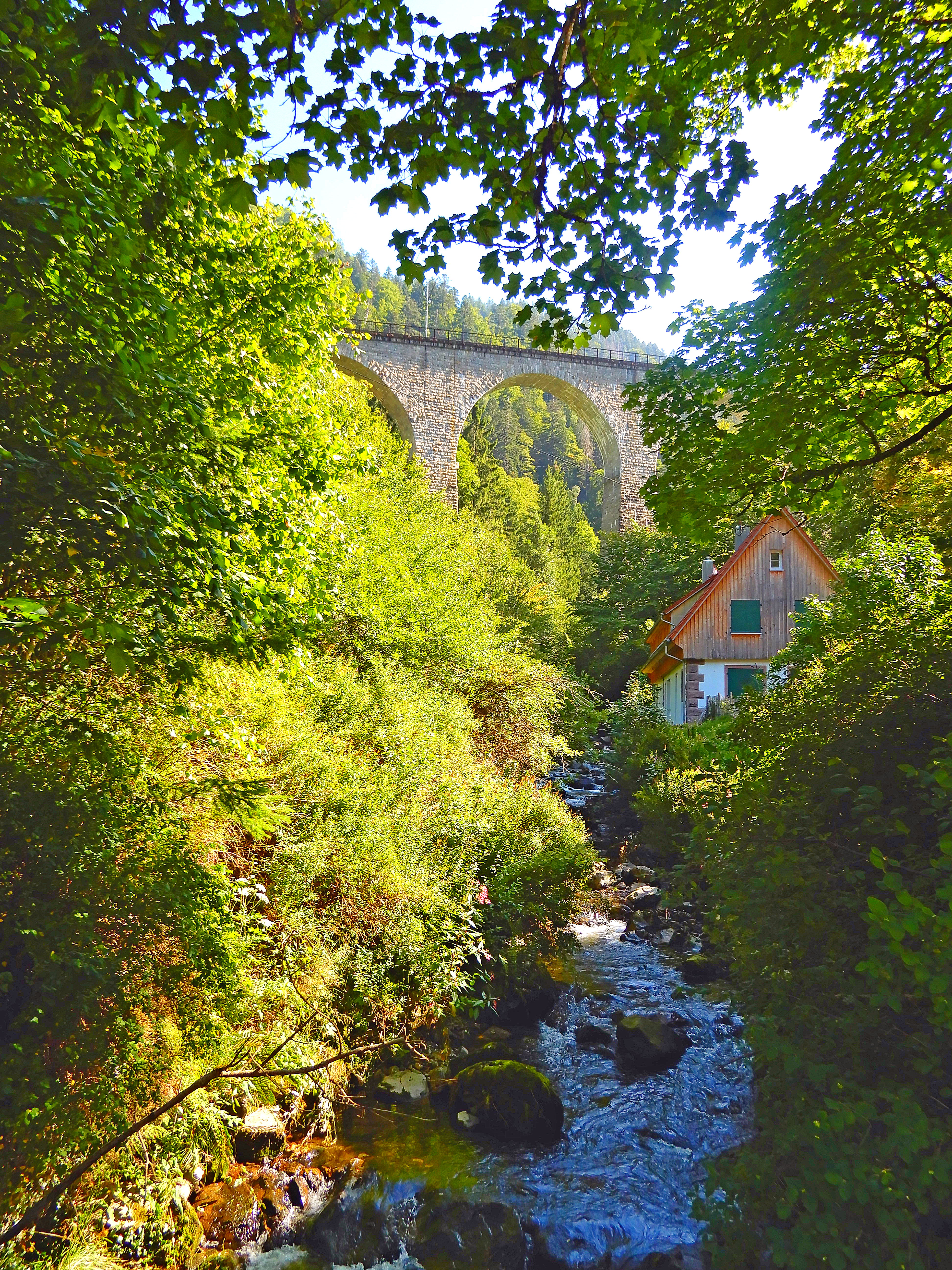
Things were looking up! Until an “elderly” gentleman (i.e., older than me) fell badly on our way to the St. Oswald’s Chapel on the property. He escaped serious injury, thankfully. We meandered past pastures to the little chapel.

This guided tour yielded one of the two poor guides we had during the six full days of the cruise. (Embarkation and debarkation days don’t have tours.) I remain greatly disturbed that she noted this chapel still saw use—meaning it’s a sacred space to any Christian—yet encouraged our group to grab a convenient rope to ring the church’s bell, all with a conspiratorial tone of “well we really shouldn’t…” The altar area was fenced and locked, but the rope snaked out under the fencing. (I’m also disturbed I didn’t say anything about how it disturbed me.) Annoyed, I went outside where a different kind of disturbance awaited me. When churches consecrate burial grounds and use them for decades and centuries, they fill up. Practically, this requires them to remove the older bones to make room for the new ones! Because these bones still deserve some respect, churches designate a more convenient place to store them, not worrying about whether they mingle. As I left the chapel and walked toward the sanctuary end of it, I saw a small locked grating which accessed a crawl space under the altar-end of the chapel. “Why would this mesh grating have a lock and a crucifix on it?” I wondered. Surprise!


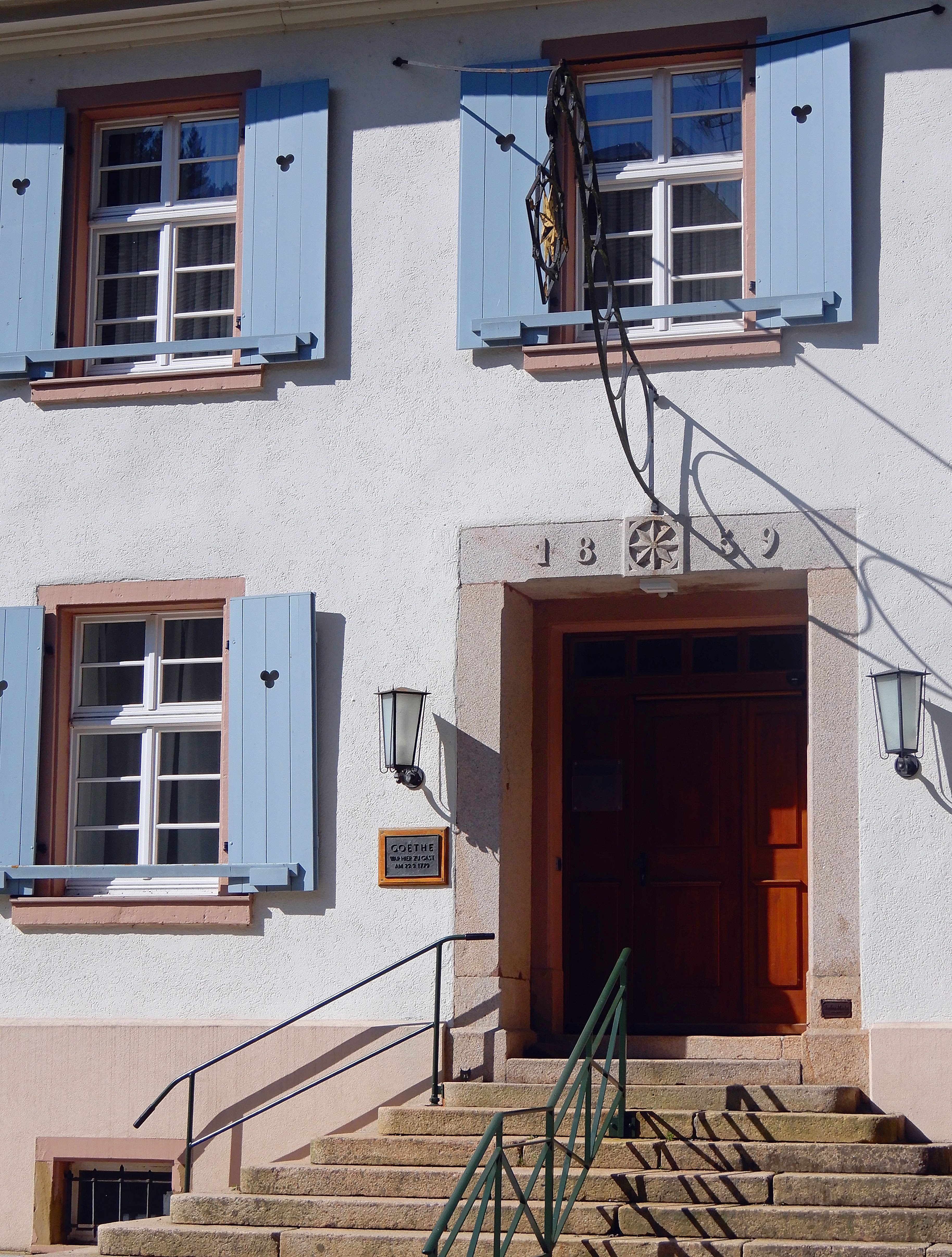
Other buildings were less impressive and/or photogenic to my eye. A building Goethe once slept in (lived in temporarily?) couldn’t be photographed well due to all the intervening people. I had better luck when I got closer.
Typifying a traditional village in the Black Forest, this made-for-tourists village leaned in to the central reason for such villages: commerce. A quick in-and-out of the glass shop sufficed. I didn’t want to break anything worth hundreds or even thousands of dollars. Another building proved more eclectic: a $5000 bicycle with a handmade frame of spruce or fir; steins taller than my wife; cooking utensils of all sorts; knives; Christmas decorations; and fine spirits. We purchased a set of nice flat Christmas decorations which could transport home easily.
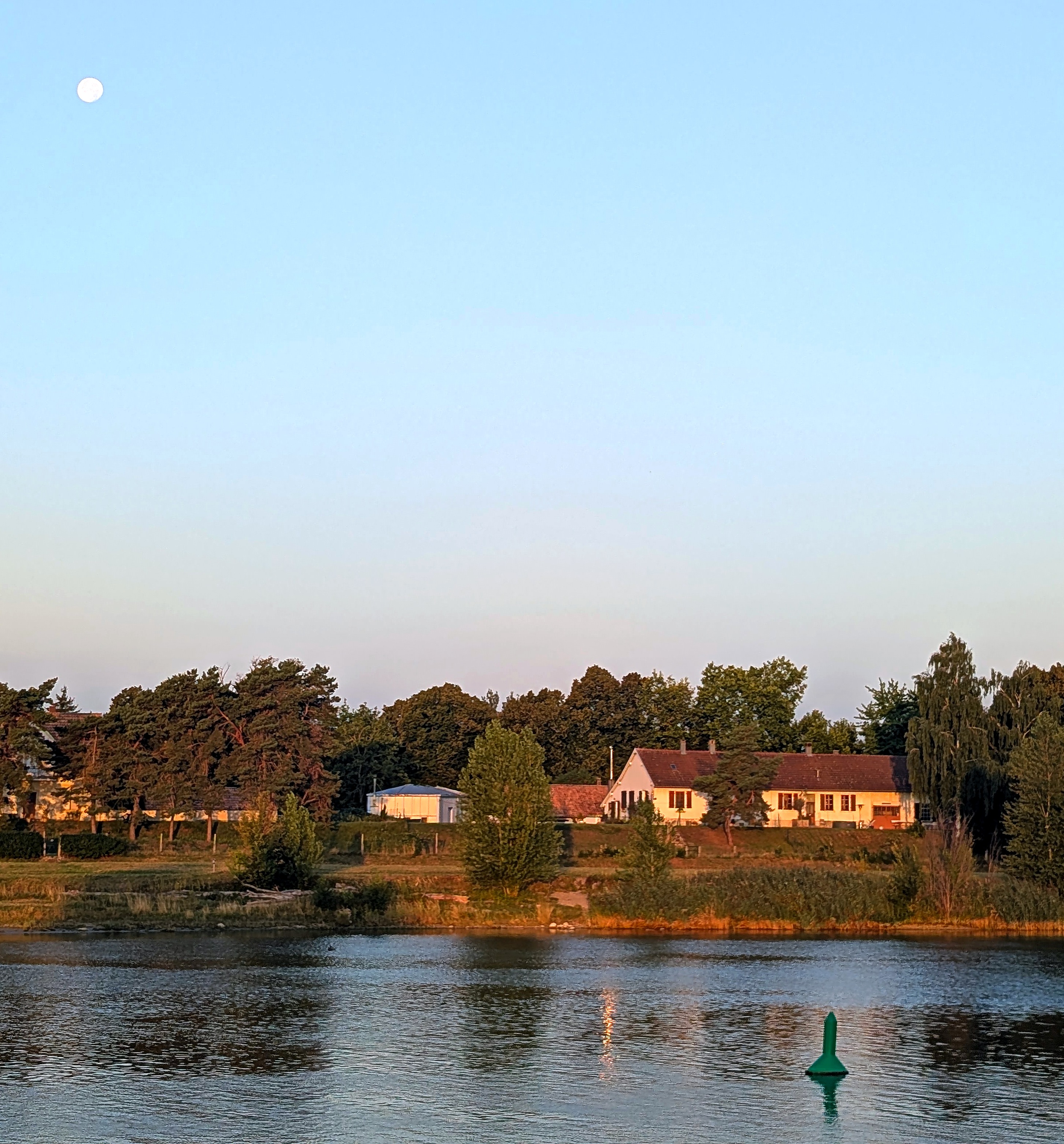
Upon our return to the ship for lunch, we discovered a second Viking ship had docked to ours, and now our veranda literally had only four inches between it and the other ship’s veranda. We had known this could happen, and I wonder if a person could book to avoid it. I’ll detail the considerations in case others might be considering a cruise like this:
- Our voyage started at Basel and ended (supposedly; more later) at Amsterdam. Thus, we were traveling downstream.
- Other than this first docking, our captain turned the ship around every time it docked. Significant rain had fallen in the weeks before our cruise; the Rhine therefore had risen much higher than normal and the current was particularly strong. Pointing the bow into the current meant the ship wouldn’t be knocked around as it would if the basically flat stern were facing the current.
- The ship always docked on the east/north side of the river. Even the stop labeled “Strasbourg” in the brochures actually occurred at Kehl, Germany.
- Our ship always docked first. Whenever two Viking ships were docked in tandem, the other ship was the one on the outside, furthest from the shore—not ours.
- Putting the previous bullets together, our cabin on the port (left) side of the ship meant we always faced the shore with no other ships in our way…except the first stop. We only were docked two (or was it three) times with another ship en tandem meaning we were unlucky the first docking, but lucky all the dockings thereafter, and the ship docked more than once per day sometimes.
Your mileage may vary: we likely would have faced the river all the time if the water flow had been low. If rains haven’t fallen, it’s possible the ship cannot clear the bottom of the river when it comes to certain sections. In those cases one must re-pack all the suitcases, get bused to a different ship, and carry on with the cruise. That would be extremely time-consuming and eat into a leisurely but short and expensive cruise. The same can occur if too much rain has fallen, and the river runs so high the ship cannot clear the bridges it must go under. It’s a crap shoot and a fairly expensive one. We were affected by one of these unplanned events. It should have been planned, and I’m glad it worked out okay. Stay tuned for the end of the cruise.










 all the voices in my head