pictures & creativity [a non-poem]

I’ve come to believe everyone thinks in pictures, even if they don’t know it. By adulthood some of us go on autopilot, our connection to the pictures, images, emotion-movies cemented so far in the foundation-concrete of our makeup that we know only words anymore.

Creativity demands turning away from the words and toward the pictures. Visual creatives, you live here. Connect your hands to your pictures. We wordsmiths, though, must act as our own interpreters, must turn our backs on the pictures while remembering them, must translate the pictures into words.

At least, that’s how it works for me. When it works for me. (The rest of the time I just wander among the pictures and say to myself, “sure, I’ll remember this for later.”)
why I poetry

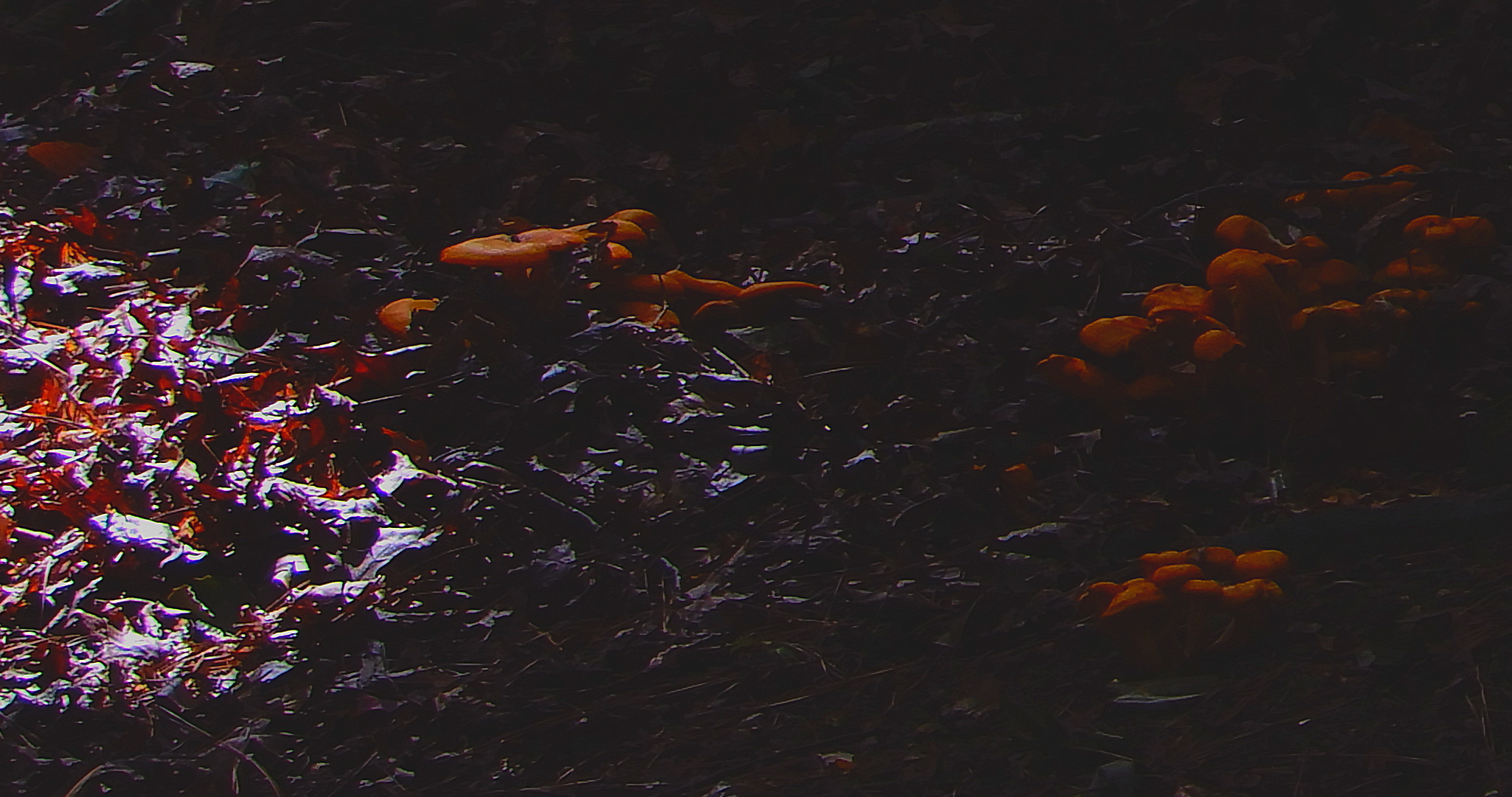
Mystifying things sprout in shadows… October 2023.
"You know why I poetry?"

[Excuse me?]

"I poetry because only there 
unclamps my scheming, planning,
anal-fixated Self. It can't get
Here, this Here where I poetry.
It doesn't like it though, when
I'm Here. Can you
hear the screaming?"

sucked dry

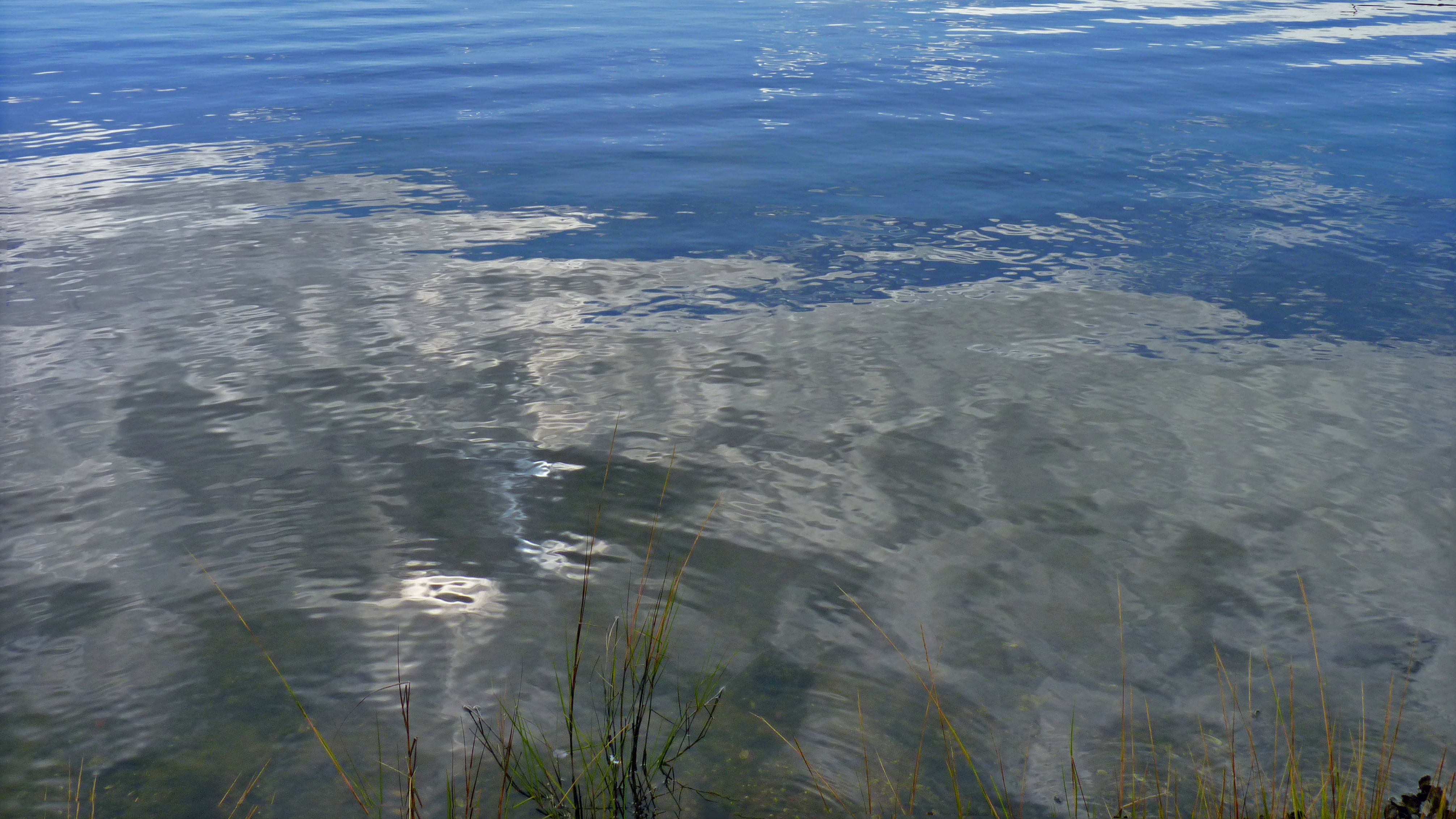
Intracoastal Waterway, Bogue Sound, NC. November 2016.
Did I say,
"nailed by meaning?"

Sometimes 
your lines suck
my lungs dry,
replacing my
oxygen with
amniotic,
fluidic meaning,
sustaining me
more than I
knew I needed.

nailed

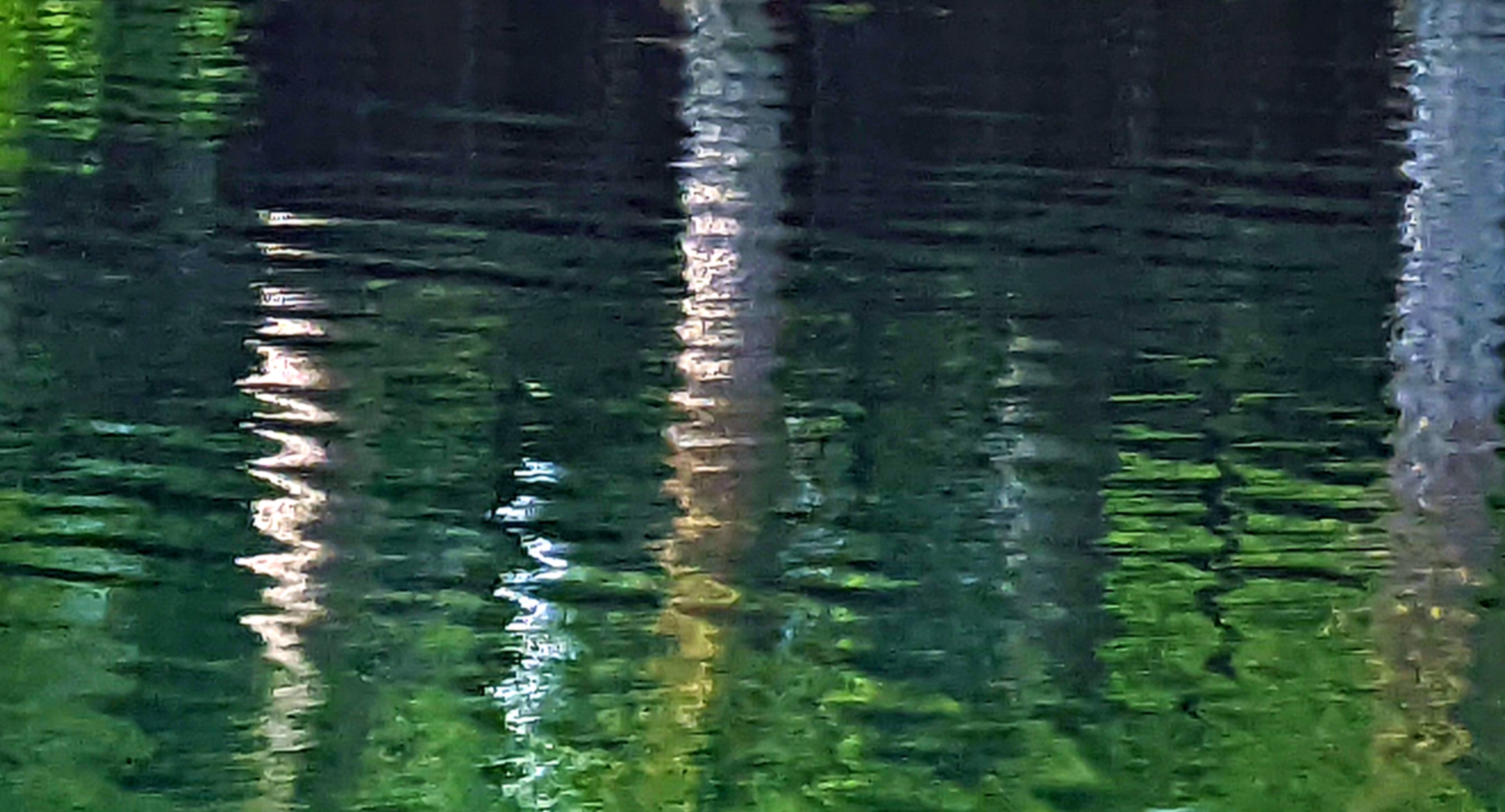
Duck pond, Tallahassee, FL. May 2022.
Sometimes, poetry is not good,
rejuvenating long-dead memories
when one graded The Poetry Assignment
as written by thirteen-year-olds.

Sometimes, the poet shoots
invisible needles of meaning,
millions of them, ripping, zipping
through me, nailing me
to where I sit.

[once again grabbed by the poetry of James G. Piatt as featured on Ephemeral Elegies]

My first American sentence*

Raven-black part of my consciousness

Why are you there?

Oh, yeah. You’re me.

American crow, Wendell, NC. January 2010.

I was reminded today of Allen Ginsberg’s definition of an American sentence as English’s answer to the haiku. I’m stealing most of this from another blogger. And here is another bit of definition. Ginsberg felt English needed more freedom to achieve what the haiku accomplishes with its 5/7/5 structure. To write one, use 17 syllables in a grammatically correct sentence (or sentences). One full line, arranged if you like (as I’ve done above). In my opinion, one should attempt the juxtaposed twist in meaning at the end as one reads in a traditional haiku. (Is my photograph a visual twist? “Raven” becomes “crow”?)