
“…FIVE TA-A-A-AH-COS!” Okay, there are only three in the photo but I had five last night after wa-a-a-ay too much beer, and they were delightful.
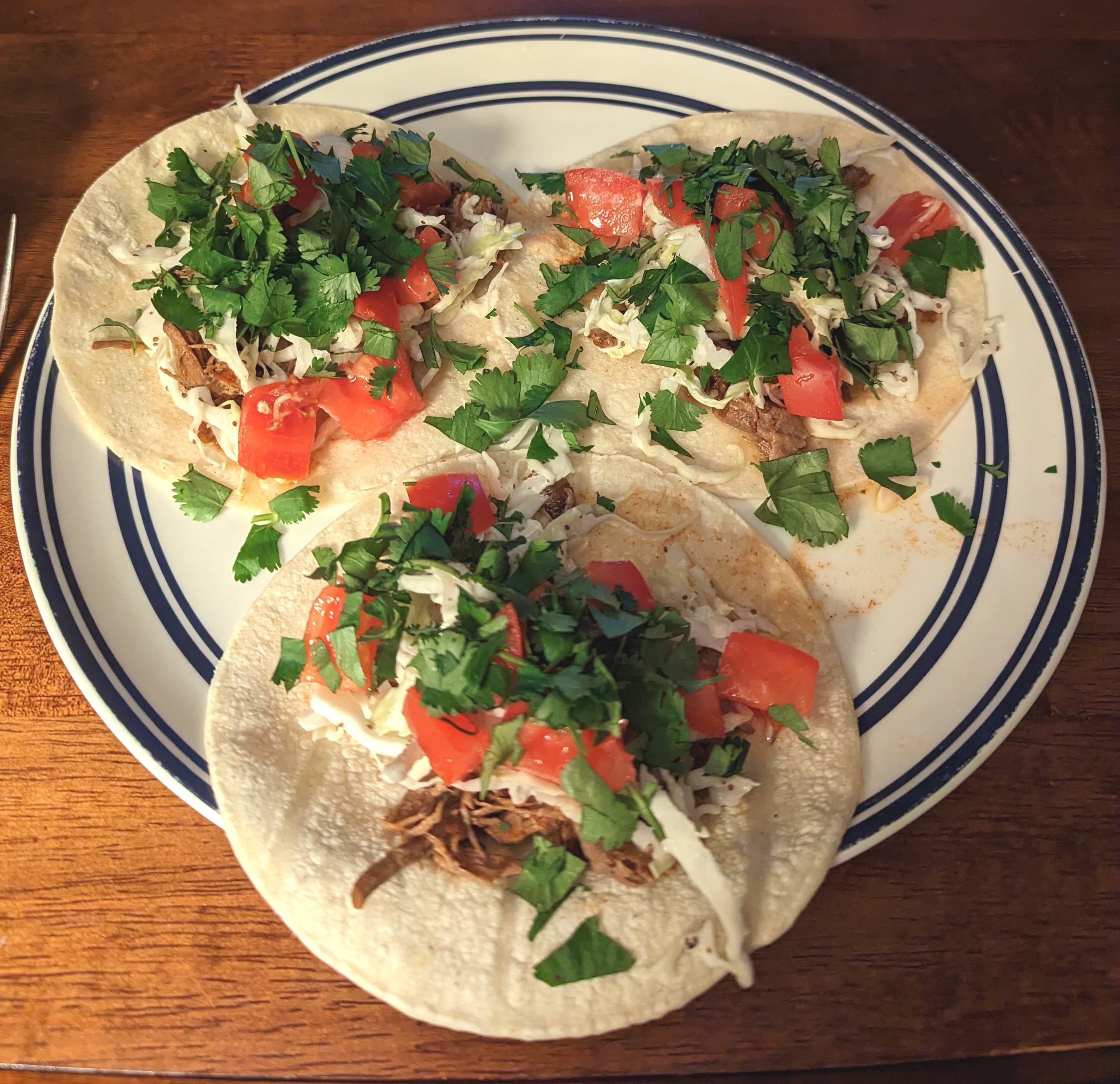
“…FIVE TA-A-A-AH-COS!” Okay, there are only three in the photo but I had five last night after wa-a-a-ay too much beer, and they were delightful.
—no, wait! I’m not Eastern rite. I can’t just reorient the Twelve Days to suit my fancy, even if it does seem a bit ambiguous who really counts Christmas as Day One and who doesn’t. We’re going to have to acknowledge the Fourth Day of Christmas too. Hmmmmm…..
On the Third Day of Christmas someone brought to me:
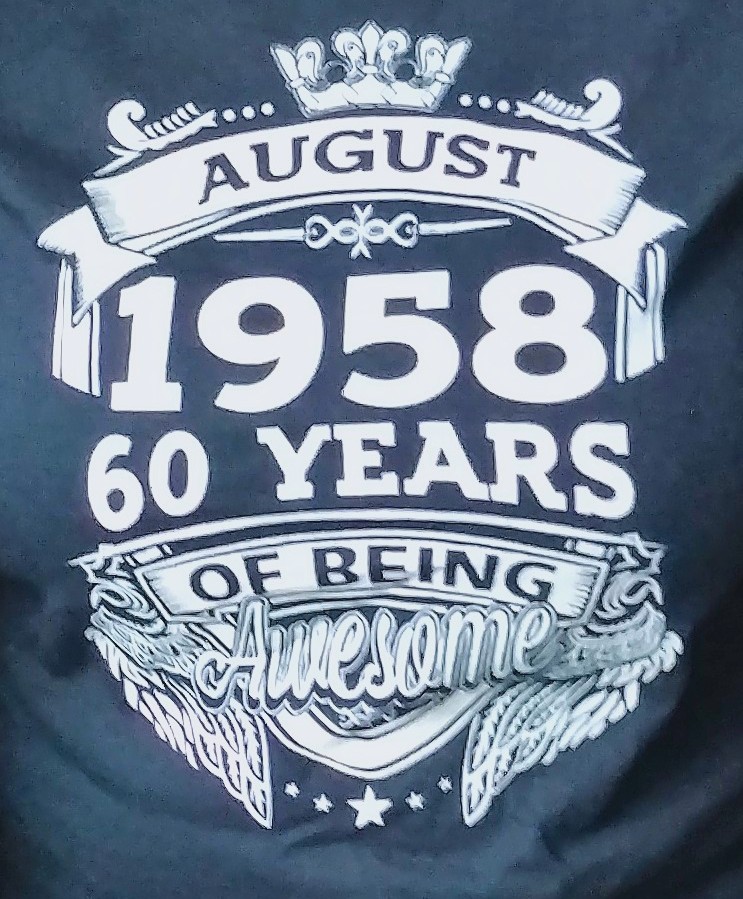
When I met the woman who became my wife, I knew (vaguely) that she possessed triplet sisters. One of them sang in the choir with us, after all, and the day I got to know my wife for the first time, I also spent time with that sister and her fiancée. My new-found love interest wouldn’t let me meet her family for weeks because it’s large: one of eight children who by that point were all having children too. We’re nearing the 30th anniversary of that meeting. I’m used to the triplets now, and I like everything about them (almost–their ability to slip into a ‘triplet-speak’ that’s difficult to understand remains a bit off-putting). All three gathered on our back deck in 2018 with tiaras and T’s, firmly convinced the slogan on the front told the truth. At least it’s better than their 50th birthday slogan: “150 Years of Perfection”!
For “four” I’m going with “Four Day Creep” performed by Humble Pie on their album Performance Rockin’ The Fillmore: The Complete Recordings. I discovered this complete version this year to my delight. The original took performances from four distinct shows over two days and ‘smooshed’ them onto one album. “Four Day Creep” gets the billing here because it’s the first song of each set, there are four sets, and the song has a decidedly different treatment in each performance. Here’s one of the three other performances I experienced. Turn it up. No, really up. “upper” than that. There ya go. (you’re going to need a tissue–your ears are bleeding.)
Anecdotal backstory: my first real roommate at college–I ditched the first one–name of Motorhead, introduced me to the Humble Pie Performance album. Being from New Jersey, he had attended a Humble Pie concert. “They had these big Altec Lansing Voice of the Theatre speakers,” he said. “You know those? Just like the little ones with the two curved cuts to the front plates? These suckers were so big you could crawl inside of them…which the junkies did. The sheer volume of the bass would vibrate them out and they’d crawl back in!” Yeah. I remember stuff like that. As you listen to the song above, hopefully at a loud volume on a sound system with large speakers, imagine being inside a speaker while the songs were played.
…brought to me, two turtles of lassitude…

Yep, all that celebrating is catching up with me. So many more days to go! If one simply must attend to a few bills (as I did today), at least having a good soundtrack will help. Today we had The Night The Guitars Came To Play by Micky Moody and Bernie Marsden.
…this blog gave to me…a discourse meant to bore me…
[a pastiche of thoughts as Christmas begins]

Yes, we’re into the Twelve Days of Christmas. Generally Twelvetide runs December 25th through the very end of January 5th, Epiphany beginning on January 6th. (This information primarily comes from Wikipedia.) The Council of Tours created it in 567 AD–and yes, I’m using AD not CE on purpose. For various reasons some Eastern churches celebrate the twelve days starting with the day after Christmas.
Our world generally has forgotten the distinction of seasons, of singular dates. Seasons orient around only the salient events. We don’t appreciate the days between Thanksgiving and Christmas–hell, between Halloween and Christmas–as anything but a lead-up to Christmas Day. I don’t think you have to be a Christian to acknowledge that there just might be something happening between those two dates nearly 60 days apart (besides Thanksgiving). As a Christian, it mystifies me when I try to figure out what Christmas means to the non-religious or non-spiritual person. It seems an inchoate, indefinite span of peace-love-dove (and don’t forget the shopping), marked primarily with traditions whose meanings have been lost to time. Ah, well. This old guy still enjoys pausing to remember all the examples of saints on All Saints Day and all the dearly departed on All Souls. I like to build up to Thanksgiving the way we used to, focusing on the stories (true or not) about how the day’s traditions came into being. I spend the days immediately after Thanksgiving focused on Advent, leaning into the promises of Christmas rather than a bustling, have-I-got-everything-done race to the 25th. This actually handicaps me because I tend to not get things done such as preparing the Christmas newsletter, setting up decorations outdoors, or getting the tree up. On the other hand, I don’t race to do so. Christmas starts on the 25th, and we are in celebration mode now for 12 days. The tree stays up until January 6th; the decorations too.
Christmas Day started at midnight with mass (see here). Two sleep-deprived adults, who retired at 3:30 a.m. and woke about 5.5 hours later, reached for adult beverages sooner than is rational. Fine brews, expense-be-damned, dominated the day: Duvel’s namesake offering; Chimay’s Grand Reserve (the blue label), inexplicably available from Costco every year about this time; N’ice Chouffe from Brasserie D’Achouffe; and Oakspire from New Belgium, a deep amber ale somewhat like a Scottish one, aged in bourbon barrels from Four Roses Distillery. My wife shies away from the dark end of the beer scale; when I shifted to the Oakspire, she went with Sierra Nevada’s Celebration Ale, which has evolved over the past 20 years into a red IPA. If you know anything about these beers, you’ll realize we didn’t have a lot of cares as we approached our festive but subdued meal. I offered up a standard ‘guy meal’ of wedge salad with a homemade blue cheese dressing, thin slices from a 3-inch thick ribeye (seared and minimally roasted), baked russets, and broccolini with pecan butter. (No we don’t do dessert. It’s just a thing.)
My wife and I quit exchanging presents about five years ago. We’ve found Christmas posseses a peculiar dynamic when you don’t have children. You’ve never built up that tradition of mesmerizing the children on Christmas Day. You’ve never sacrificed all year long for those children, welcoming a bit of liberal spending to get a few things you’ve wanted throughout that year. We finally acknowledged an obvious truth: we get what we want when we want it. (Example: my wife accidentally soaked her tablet on December 17th. We replaced it with a purchase three days later, and she set the new one up less than a week after she drowned the previous one. Retired people understand the concept of cash flow.) Christmas gifts are a superfluous thing, coals to Newcastle. Instead we work on intangibles such as vacation plans, entertainment, planning our elevated meals for Twelvetide, and…each other.
That’s where things stand on Boxing Day. We’re looking forward to a near-fortnight of special meals peppering our evening meal plans. Lurking like aspiring actors in the casting office: stuffed quail; a NYD menu of pork, collards, and black-eyed peas with a side of cornbread; a re-run of the Sicilian Swordfish Stew from Christmas Eve; and perhaps some holiday tamales. Okay, no, I’m not going to the effort of tamales, but enchiladas doesn’t sound half bad.
Merry Christmas, y’all!

From the choir loft of The Holy Name of Jesus cathedral in Raleigh. The photo above was taken minutes before the choir-and-brass-and-organ musical prelude began about 11:15 p.m. After those 45 minutes, mass starts at midnight–the first service on Christmas Day. We welcomed about 1800 worshippers. It’s wearing for old folks…especially when they return home at nearly 2 a.m. and crack some holiday cheer!
As I feared, no postings for 3 weeks while I scurried around with Christmas stuff and poured my creativity into this year’s Christmas newsletter. It was particularly aggravating this year (the newsletter), requiring nearly a week’s more time than planned. I learned some cool things though, like an artistic superimposing of text on photos.
Now begins the 12 days of Christmas which I passionately celebrate. Unlike so many these days, Advent is Advent, not “the Christmas season”. It’s nigh impossible to listen to only Advent music–“O Come, O Come Emmanuel” and “Lo, How A Rose” leap to mind. I therefore avoid most Christmas music until only a week or so before the 25th. Now I celebrate, all the way to Epiphany on the…5th or 6th of January, depending on how you count it! Lotsa time for writing and relaxing.

I took my tumble into poetry when I returned to college in 1981 for an English Education degree after four years spent writing and editing weekly newspapers. We were required to pick one of three concentrations: Literature, Composition, or Linguistics. While we were expected to take classes in all three areas, the majority of our coursework would occur in the concentration we chose for our major. I already possessed a degree in Communications (with a concentration in Journalism), so I chose Literature. It seemed to be the most useful choice between that and Linguistics. I don’t recall how many courses in poetry I took; I presume it was two plus I had a class in Shakespeare. (As part of my Communications degree I also had taken a course in Medieval Literature which is as much poem as prose, in my opinion.)
I remember my poetry professor as a grandfatherly figure: white hair, thick glasses, dressed always in a button-down shirt and a thin cardigan sweater. He wasn’t pedantic; rather he sought to lure us in to the beauty of poetry, slowly instilling an appreciation for the nuances which one poem achieves perhaps a bit better than another. He taught the meaning of the word “scansion” and how to do it. He taught us the formal structures of historic poetic forms, such as the various forms of sonnets. I distinctly remember he appreciated but ultimately relegated to B-status the poems of Henry Reed (“Lessons of the War: I: Naming of Parts“) and A. E. Housman (“Terence, This is Stupid Stuff“). He attempted to relate a continuum where doggerel existed on one end and truly sublime, great poetry existed on the other. “There is a difference between verse and poetry,” he insisted.
A while back I wrote a poem about why I don’t often write rhymed poems. Too many of the poems I read online from those who fancy themselves poets barely nudge the needle from where it pegs at “doggerel”. It’s down here at this end of the spectrum where we read “cowboy poems” and such. Rhymed poetry doesn’t have to be doggerel or its cousin, trite whimsy. I hope my poem might exist in the middle ground, somewhere between a clerihew and Housman’s “Terence”. Here’s the beginning of the latter:
"Terence, this is stupid stuff:
You eat your victuals fast enough;
There can't be much amiss, 'tis clear,
To see the rate you drink your beer.
My barely informed opinion about rhymed poetry? Look to Shakespeare who crafted his poems to specific rhyme schemes, with specific metric schemes which must scan appropriately. Another, more modern poet who understood how to write a poem which rhymed is Robert Frost. Here’s an example, to be discussed below:
Locked Out
(As Told to a Child)

When we locked up the house at night,
We always locked the flowers outside
And cut them off from window light.
The time I dreamed the door was tried
and brushed with buttons upon sleeves,
The flowers were out there with the thieves.
Yet nobody molested them!
We did find one nasturtium
Upon the steps with bitten stem.
I may have been to blame for that:
I always thought it must have been
Some flower I played with as I sat
At dusk to watch the moon down early.

(as transcribed from Robert Frost: Collected Poems, Prose, & Plays [The Library of America])
Is this a great poem? No, but Frost tells a small tale easily, conversationally, with rhymed words. He warns us in a sense by titling it “as told to a child” and keeps the central thoughts of the poem simple. And what’s this? He chooses not to rhyme the very last line? Doesn’t that just punch it up all the more? Great poets reveal their hand even when the poem isn’t truly great. Looking deeper, I’m reminded how just as adults get nuances out of ‘children’s cartoons’, we gather meaning in passing from lines like the first three lines. A child would take it simplistically, but we consider the symbolism of locking up all that is natural outside of ourselves, of shutting ourselves off from beauty, of starving the fair flowers of our existence from the light of our presence. Frost uses the tenth line (“I may have been to blame for that”) to zing us with a perfect iambic (dah-DAH) tetrameter (four of ’em). To my mind, it hurries us through the line as if the narrator feels a bit guilty that his inadvertent playing with a flower has been used to invoke a threat of thieves to a small child.
Those are just a few thoughts which occur to me in looking at this poem again after first reading it about a week ago. Look, I understand we’re not all four-time Pulitzer Prize winners. But can’t we at least try? Must we succumb to “My boyfriend left me/I’m feeling blue/I’ll leave the country/Now that we’re through”? Just as a prose thought can be made meaningful by converting it to poetry, consider if your poem isn’t so mundane it ought to be simply stated as prose. Making four lines rhyme A/B/A/B shows about as much skill as photographing a sunset and thinking you’re a great photographer just because you captured a glorious sight made-to-order.
I applaud the poets I read online who use blank, free-form verse yet hew to ideas of tune, rhythm, compression, precise word choice, and who frankly have something worthy to say. We can’t realistically dream we’re rhymers like Frost, or poets laureate like Stanley Kunitz, or poets-for-the-ages like Dante Alighieri. But…we can try.
With quite a bit of back and forth about cellos, popular/rock music, and such, it got me thinking about the earlier practitioners of bowing strings for rock and roll effect. Here is one of the first Jimmy Page performances of “Dazed and Confused” (written by Jake Holmes in 1967), when Page still played for The Yardbirds. They never put it on a studio album, but it appeared on a live album Epic released called Live Yardbirds which came out in 1971 and quickly disappeared due to the fact Jimmy Page now played for a group called Led Zeppelin and had some misgivings which he resolved through legalities (i.e., he sued their ass). I happened to get a copy of that album, however, and it is quite strange. Here is a very similar performance to the recording on the album I’ve got, complete with Jimmy using a bow on his guitar about halfway through the song.

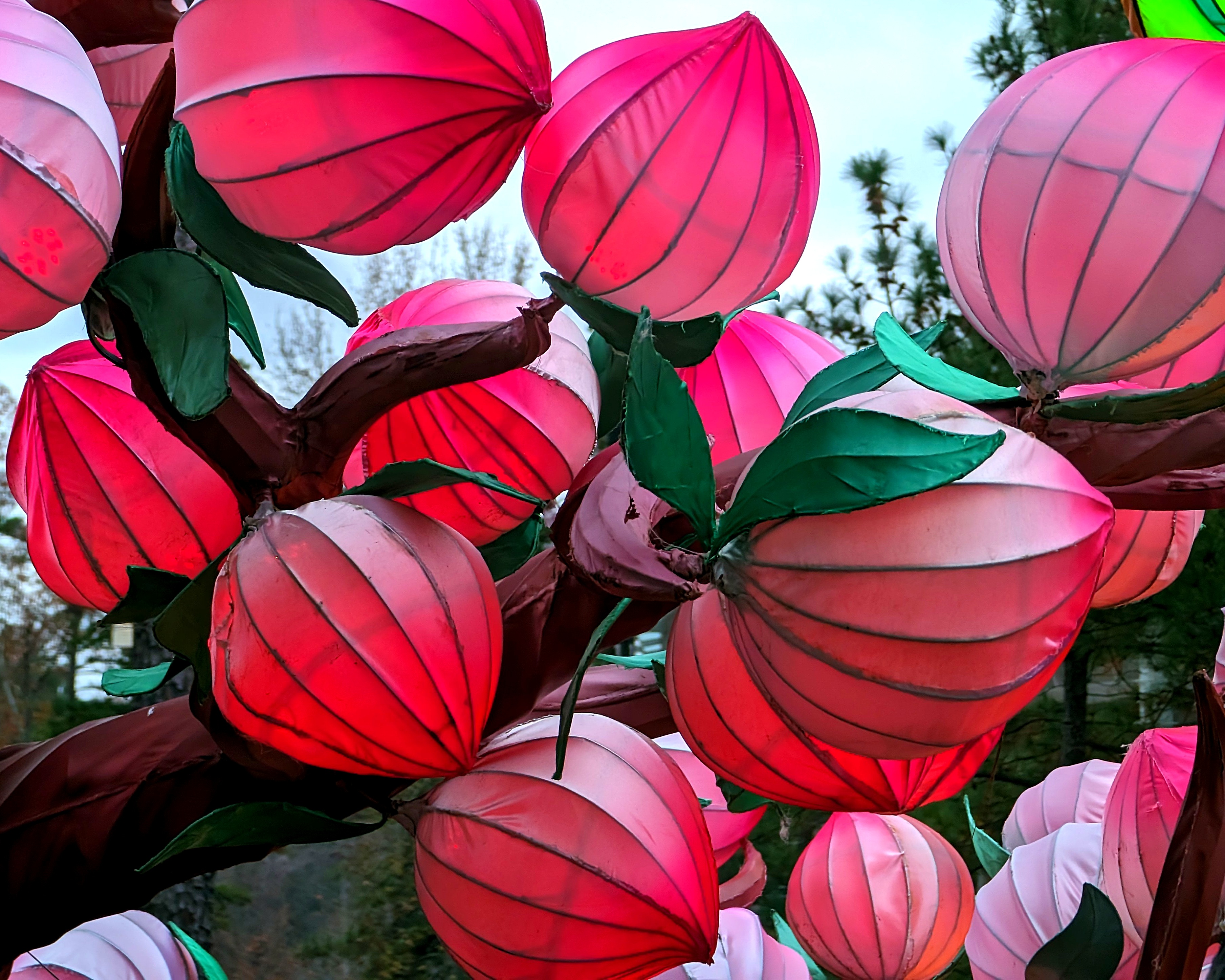
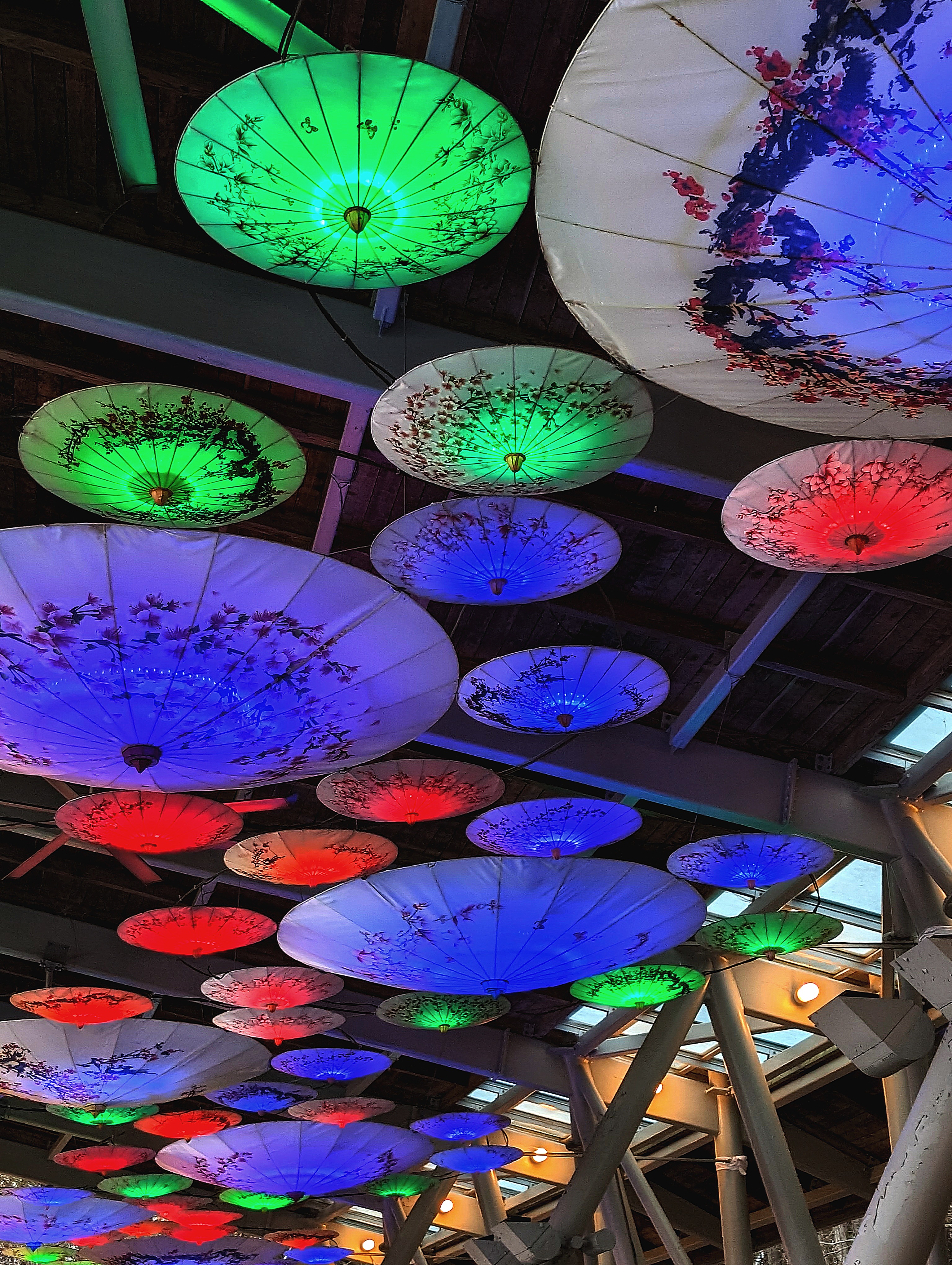
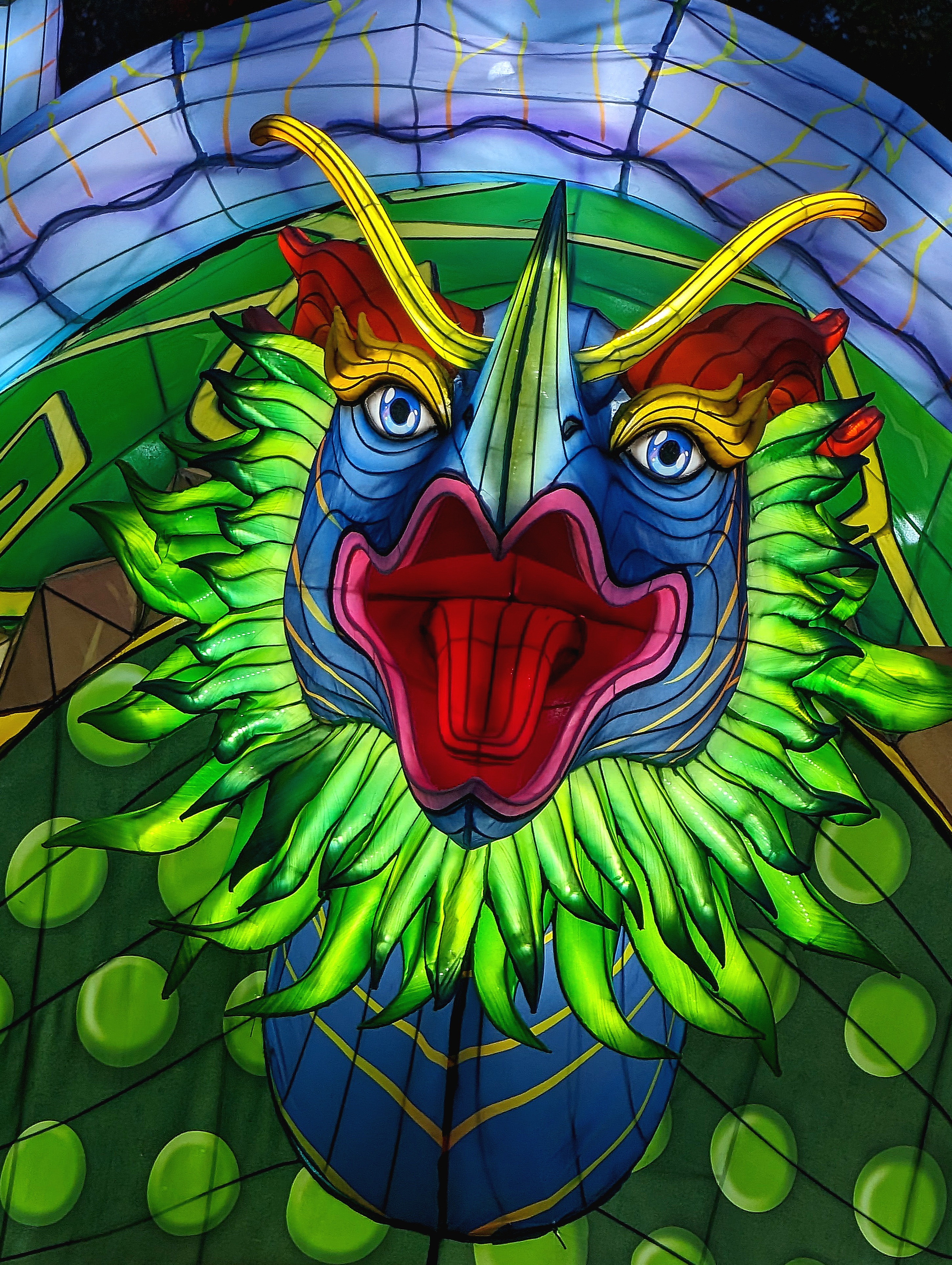
Yesterday four of us experienced the annual Chinese Lantern Festival at the Koka Booth Amphitheatre (which sits at the southern edge of Cary and the eastern edge of Apex in the Raleigh-Cary-Durham Triangle area). I entered with moderate expectations but left with a big appreciation for the spectacle. We purchased the “early twilight entry” tickets for a variety of reasons: chief among them being we’re old, and anything that promises an Early Bird special appeals to oldsters. We wandered for an hour, and then we fulfilled a sudden hankering for East Asian food by driving to a pan-Asian restaurant near our home.




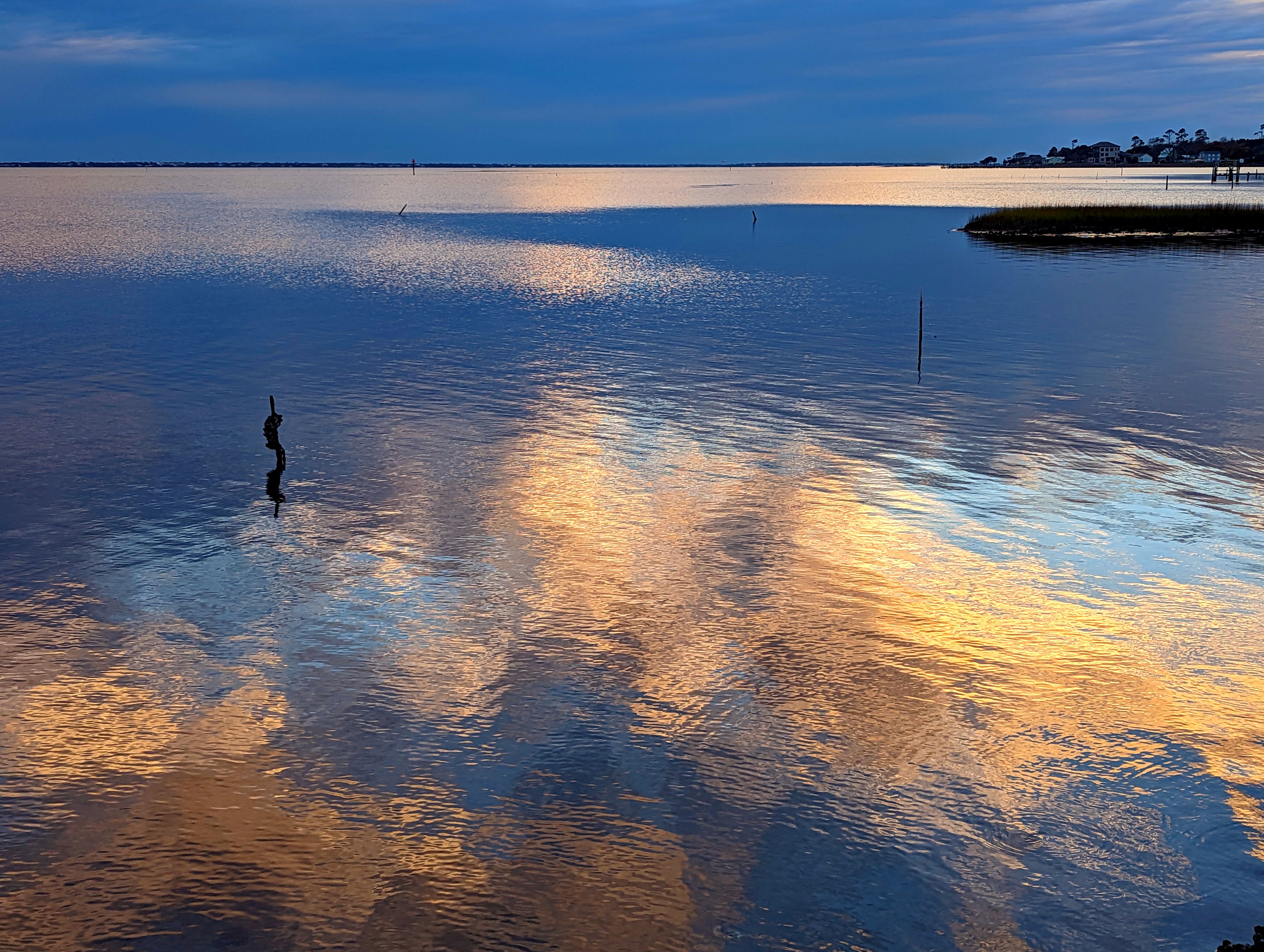
I hope I didn’t post this last year, but I’m too busy to check right now. [Well, I checked a week later, and I did publish it last year just after Thanksgiving 2022…but it was edited slightly differently. Oh well.] Our friends’ family owns a place on Bogue Sound, a portion of the Intracoastal Waterway on the shores of North Carolina. When my friend is down there, he habitually walks to the end of the dock to capture the sun’s rising, no matter the time of day. Each evening he watches and captures images of it as it leaves the sky. This reminds me of a movie with Harvey Keitel (can’t remember the name of it) where every day he walks across a busy NYC street and shoots a photo of his deli to place in a growing library of scrapbooks. It’s a form of time-lapse photography, but on a different scale. In my friend’s case, I think it’s less “time-lapse” and more a capture of the moods invoked by each unique astronomical event. When I’m down there, I more or less attempt the same thing, except my body sometimes refuses to rise around 0500!
No soundtracks…well, OK, I reacquainted myself with The Black Keys, El Camino and Delta Kream. I won’t be posting regularly for a short while–this is the beginning of my holiday-panic season. It begins with procrastinating my very first task: writing the stories to go into my holiday newsletter. As a former reporter/editor and swelled by my self-image of Writer, my newsletter is a real NEWS-letter. As one of my wife’s sisters said, “I like your guys’ newsletter. Everyone else writes long paragraphs about how wonderful their lives and family are. Yours has things like ‘our cat died’.”
Page one (of four) looked like this in 2022:


