
Twenty-five years ago I purchased the book A Home for the Soul: A Guide for Dwelling with Spirit and Imagination by Anthony Lawlor. It featured beautiful photos and promised to address that point where functions meet features and both bow to the soul. Unfortunately Lawlor’s book, though gorgeously printed, never connected with me–it remained a beauty with no brains. I mention this because the idea has long played out in my head and heart that we are drawn to some places on Earth more than others, despite our innate interest in almost all of them. I’ve mostly thought this gets imprinted on our psyches during the formative years of our childhoods, much as ducklings will imprint on their mother. (I wonder how this would work with children of military personnel and others who move their families frequently to vastly different geographies?)
Recently a friend of mine quoted author Pat Conroy who made his mark writing books set in coastal South Carolina, including The Citadel in Charleston. In this particular quote, Conroy described how the Low Country spoke to his soul. This returned me to my
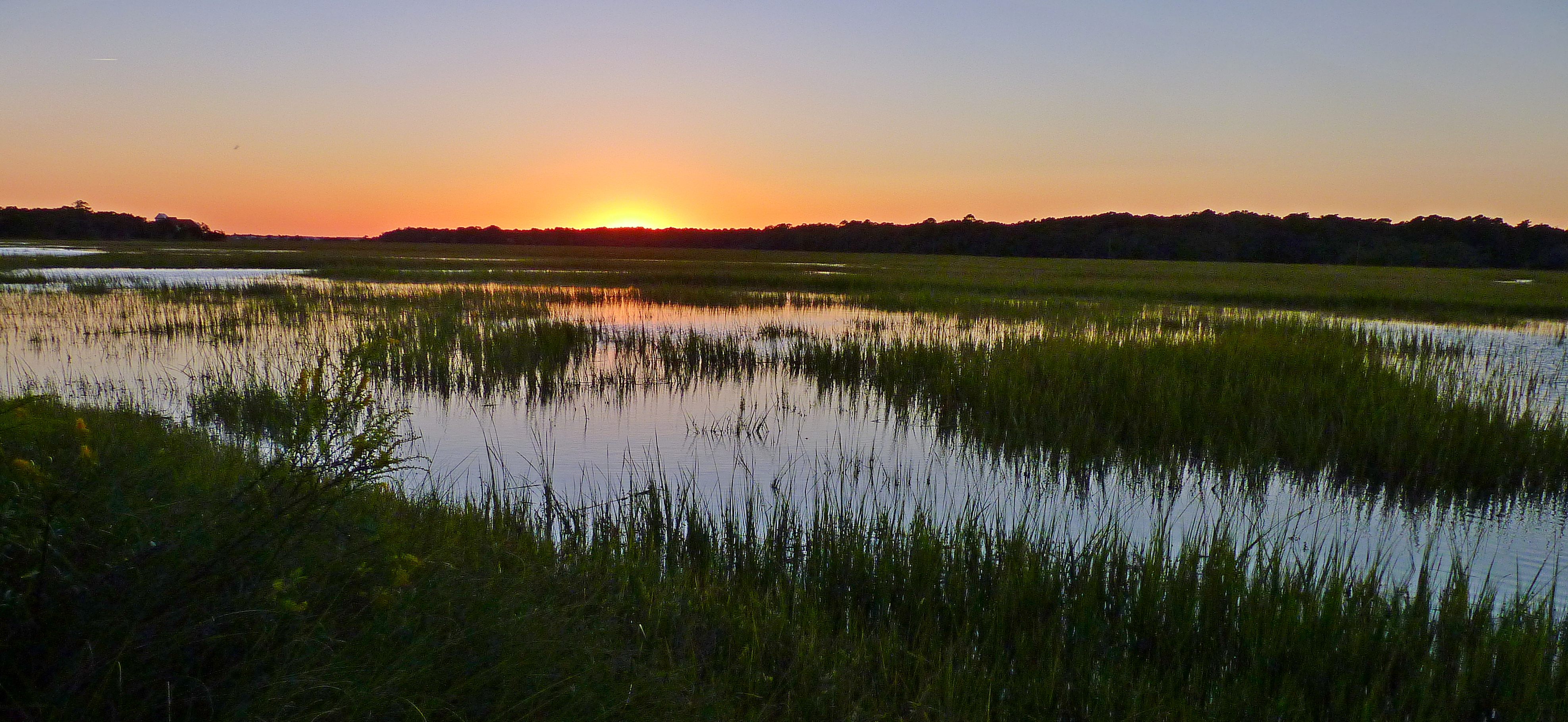
ideas of place. Much as I like the coastline of Eastern America, and the distinctive features of it from Chesapeake Bay south, it never ‘grabs’ me. Intellectually, I love its nooks and crannies, its sultry feeling which exudes relaxation, its birds, the novelty (to me) of its marsh grasses, and the soul-satisfying feeling brought on by its mostly horizontal nature.
In Hawai’i, though, I found my heart beating in sync with its coastline as if I had found a long-lost sibling. I suspect this has something to do with being taught at an early age that “coast” means “what it looks like around Puget Sound” and to a lesser extent the Pacific Coast of Washington State: volcanic rocks to the coastline; cliffs of sand, sedimentary rock, and mountaintops which send their flanks plunging through the intertidal zone to significant depths in mere meters. But could it be more genetic? As far as I know, my ancestors all came from either Norway or that island divided into England/Scotland/Wales. From photos it seems a rocky coastline, lashed by pounding waves, much of it featuring knobby cliffs which prohibit dipping one’s toes in the water–and this water is crystal clear.


A counter-argument: what to make of the three centuries my patrilineal line spent in the mountains located at the Virginia/North Carolina border? Of my matrilineal line descending from the hollers of Kentucky to live along the Ohio River? Do I counter that with my father’s mother, whose parents stepped off the boat straight from Norway? Or the suspected similar condition for my mother’s father who was put up for adoption by a Swedish lass?
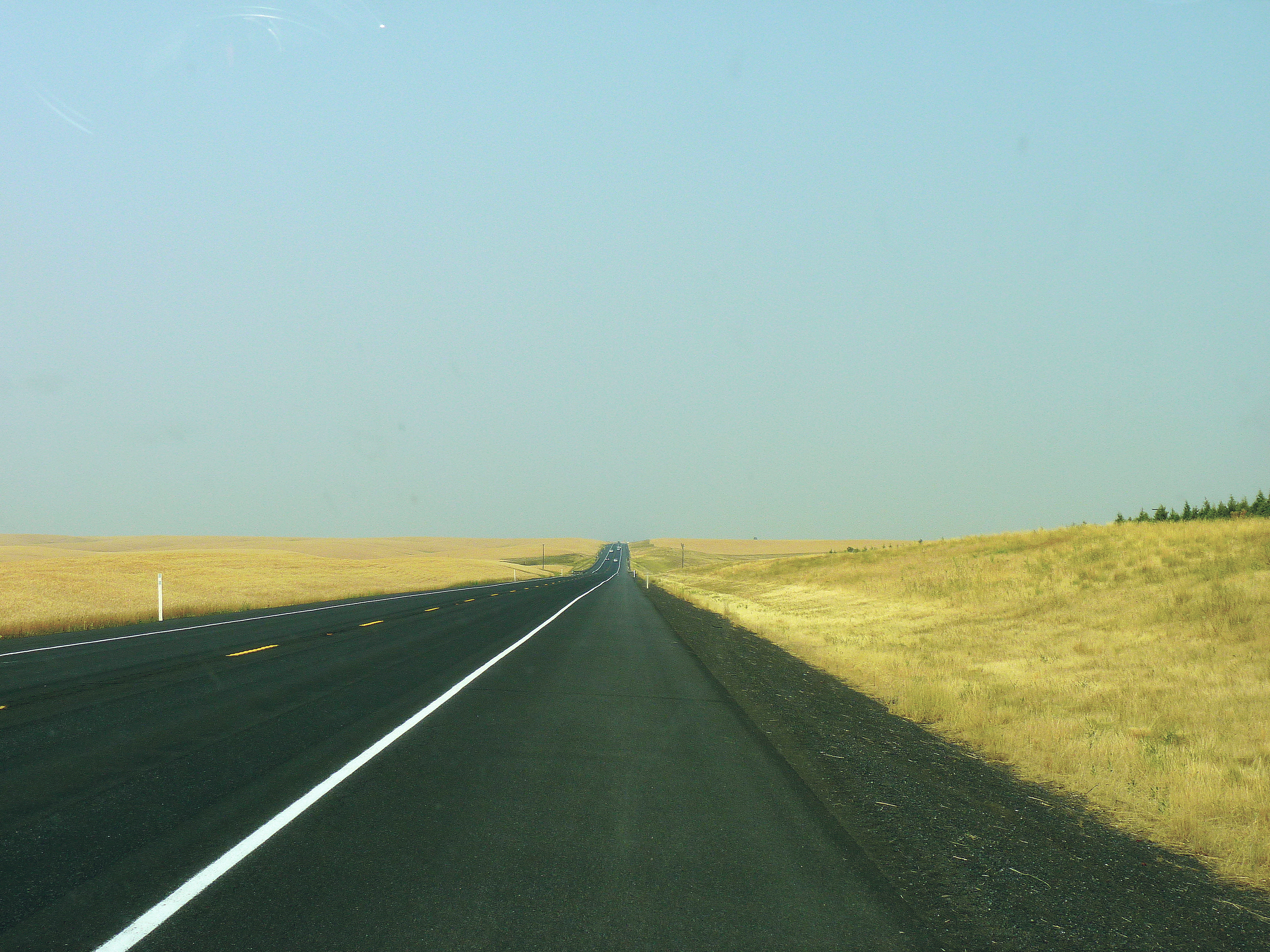
I land on nurture more than nature. I believe my father preferred eastern Washington with its undulating surface of grains and grasses because he had been raised in a similar grassy, agricultural flatness outside Minneapolis and later, in Havre, Montana. My friend associates the North Carolina coast with meaningful times in his life, not least of which was refurbishing a getaway house on the Intracoastal waterway with his father. My brother and I experienced a semi-dry climate through high school. Perhaps this explains why, after decades spent in rainy and cloudy western Washington, he retired to Santa Fe?
Unless…unless… I must admit, I like rain. I discovered this when I moved to the Philadelphia area in 1992. In 1997 I returned to Spokane, WA, a semi-arid part of the country. Four years later I could barely get out of town quick enough, and the dry, dusty summers played a large role in that attitude. I found I did like rain, just not the rain of Puget Sound which I experienced on and off during my childhood and lived in from 1976-1981. Rain on the east coast of America doesn’t resemble rain in the Puget Sound area, despite both regions receiving similar amounts annually. (Philadelphia–41.45in; Seattle–37.13in, both according to WorldClimate.com.) Rain clouds on the east coast bring rain, and then they go away. Rain clouds in Puget Sound just hang around seemingly forever, misting you once in a while to remind you they carry moisture. Where, then, does this love of rain come from? Why don’t I like snow? I experienced it every winter of my childhood, and I continued to do so through my 47th year. Is it my North Carolina ancestors calling to me through our shared genes, reminding me that for centuries we Pilchers have enjoyed warmer, less snowy climes? If so, would they in turn find the wind- and surf-lashed cliffs of western England and Wales instantly familiar and soothing? It’s a confusing amalgamation of influences.
Maybe we just like what we like, inexplicable as it may be. A postcard I have reads: “Every traveler knows it is possible to be homesick for a place one has never seen.”
 all the voices in my head