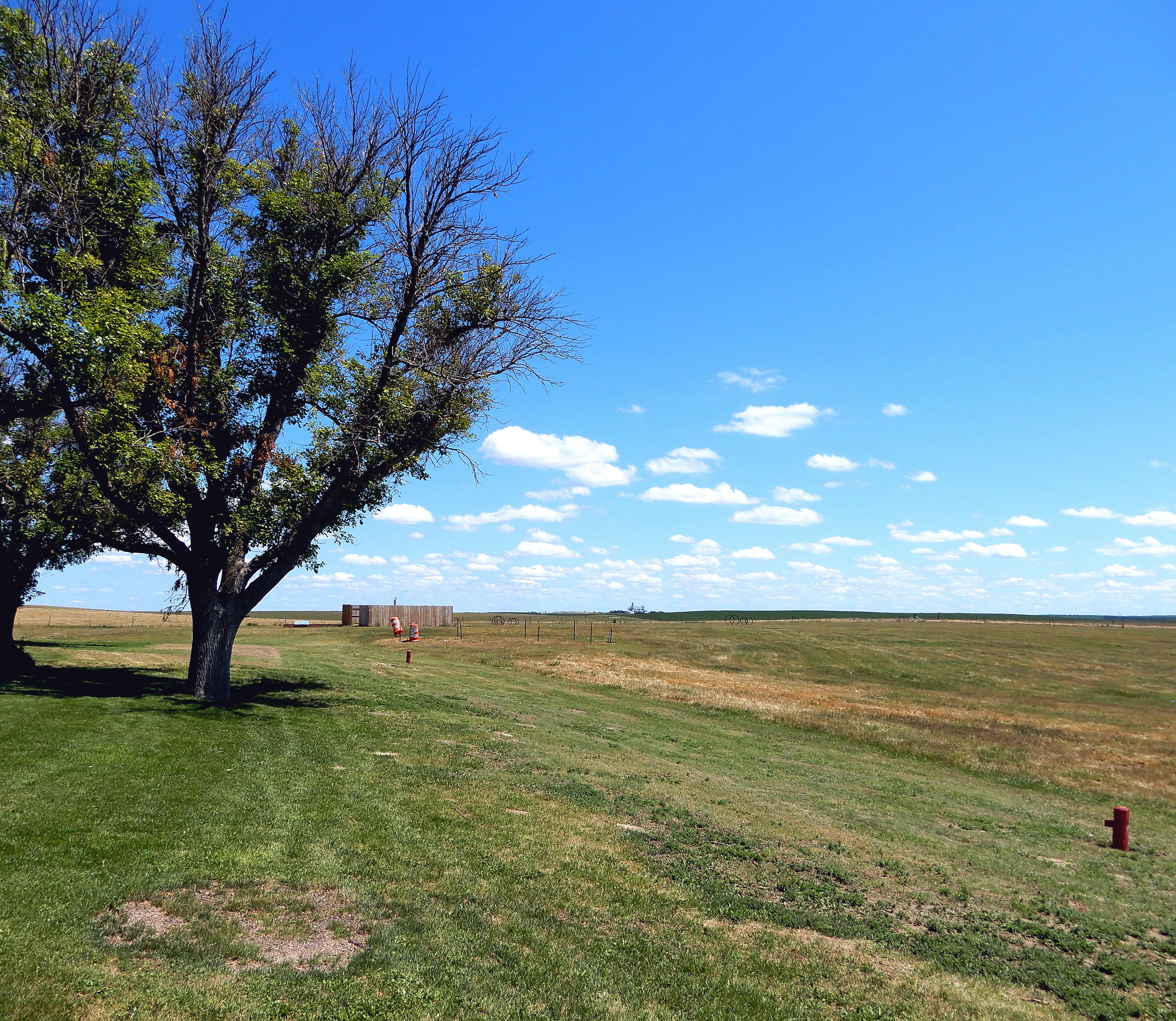
W   I   D   E      O   P   E   N      S   P   A   C   E   S
pull wandering eyes to possibilities
more expansive, more accepting
of greater distances, as if taking
your car to the next town over
were no different than running
downtown for your errands.

Islands—physical, urban, mental—
inhibit, implode possibilities, put
'too far' signs on near horizons,
as if traveling to city's center
might entice disastrous demons
to steal rational thought from
your well-balanced senses.

"Why would you want to see
Pittsburgh?" asked my friend,
lifelong Philadelphian—
"Because I've never seen it,"
my response—"I've never seen
it either!"—he claimed fifty years.

Her father-in-law's village
nestled near Windermere
in England's Lake District.
He complained he hadn't
seen his best friend in years.
"But why?" she asked, "he
only lives one village
over."—"It's too far."—
"It's only five miles away!"

High school athletes from
Havre, Montana; Colville,
Washington; Priest River,
Idaho; any small, one-school-
fits-all center for everything
educational, all claim one
commonality: their parents
think of distance in units of
time not distance, add one
dose of necessity to the mix,
stir, and pour their lives into
driving, driving, driving—
etching mental maps on
synapses stretched to "yes"
84/100
100 poems in 100 days