A funny thing happened when I started writing my poem for today. Halfway through a different poem said, “No, write me instead!”
A true tale….
I once read a book
where every distinct idea
received its own line,
prose as poem,
purposefully presenting them
in bite-sized pieces.

I remember it because
at sixteen years
I learned about infinity
this way, how
one infinity can be bigger than another.
Before this, I had thought
"Infinity is just Infinity,"
never dreaming
"it" should be "they,"
never considering
they could be quantified
(kind of).

"Think of all the numbers on a number line,
how they go on to Infinity.
Call it Set A.
What if we add one to Set A?
Call it Set B.
Set B must be bigger!"

"Think how a number line goes from Zero to One.
If you go halfway from One to Zero,
then halfway again,
and so on:
obviously you'll never get to Zero.
It's an Infinity, but...
since it's contained between Zero and One,
just as obviously it's smaller
than the infinities we discussed with Sets A and B."

My mind was blown. No
wonder I took psychotropics.
What else could I do to
fill the spaces it had made?
My wife changes
linens as lunatics do:
four sets, towels,
sheets, rotated through
twenty-eight days.
White as reliably
follows Black as
Waxing follows
Waning.

Occasionally I've
challenged the Tide
by suggesting, "why
don't you wash Thursday
instead of Friday?
We're vacationing
soon. Best to look
forward, balance it."

I've no idea how
my Tides of Time
intersect hers. It
makes things
interesting.
O children of our thoughtless world,
Rise up to claim your prize.
We've left you worthless baubles,
We've left what you despise.
In times long past, when 'things were good'
Rewards fell in our lap.
We now disdain your plaintive cries that
All we've left seems crap.
Times get easy, times get tough,
It's not our fault we won—
We cashed those chips that came to us
As we think you'd have done.
Wonder not why we don't hear
Your cries for fairness' sake.
All we want lies in our graves
Where we'll be when things break.
We know deep down your reckoning
Will come as in life's past.
You'll wonder as you're winning why
Your children stare aghast.
21/100
Perhaps not everyone will agree with me on this one. Should you disagree, we can discuss in the comments.
20/100 I’m writing a poem a day (sometimes two), and now I’m 20% there. It’s causing me to rethink poetry and my approach to it, when and how I’ve written it in the past.
Every major city seems to have a botanical greenhouse where tropical conditions have been created to foster the growth of orchids, bromeliads, and such—or “July” as a resident of the American South might call it. I left just past noon today for a 25-minute sojourn around the neighborhood. When I returned, our weather gauge reported a temperature of 81.1°F and a relative humidity of 88.8% (now registering an even 89.0% 30 minutes later). Lighting was poor: completely overcast, the sun approaching its zenith. That’s okay. My poetry attempts have been poor today, also. This is my second try, the first being filed in the “maybe-it-can-be-saved” bin. This really isn’t poetry, more poetic prose, artfully arranged—unless it’s true what a friend said, that poetry is what I say it is!
Every Southerner learns gradual
acceptance of sweat, wears loose
garments, overlooks each other's
spreading stains. "Only mad dogs"
indeed. Why walk now? Surely
my Fitbit will multiply steps
taken in such weather?

Escaping my climate-
controlled cocoon,
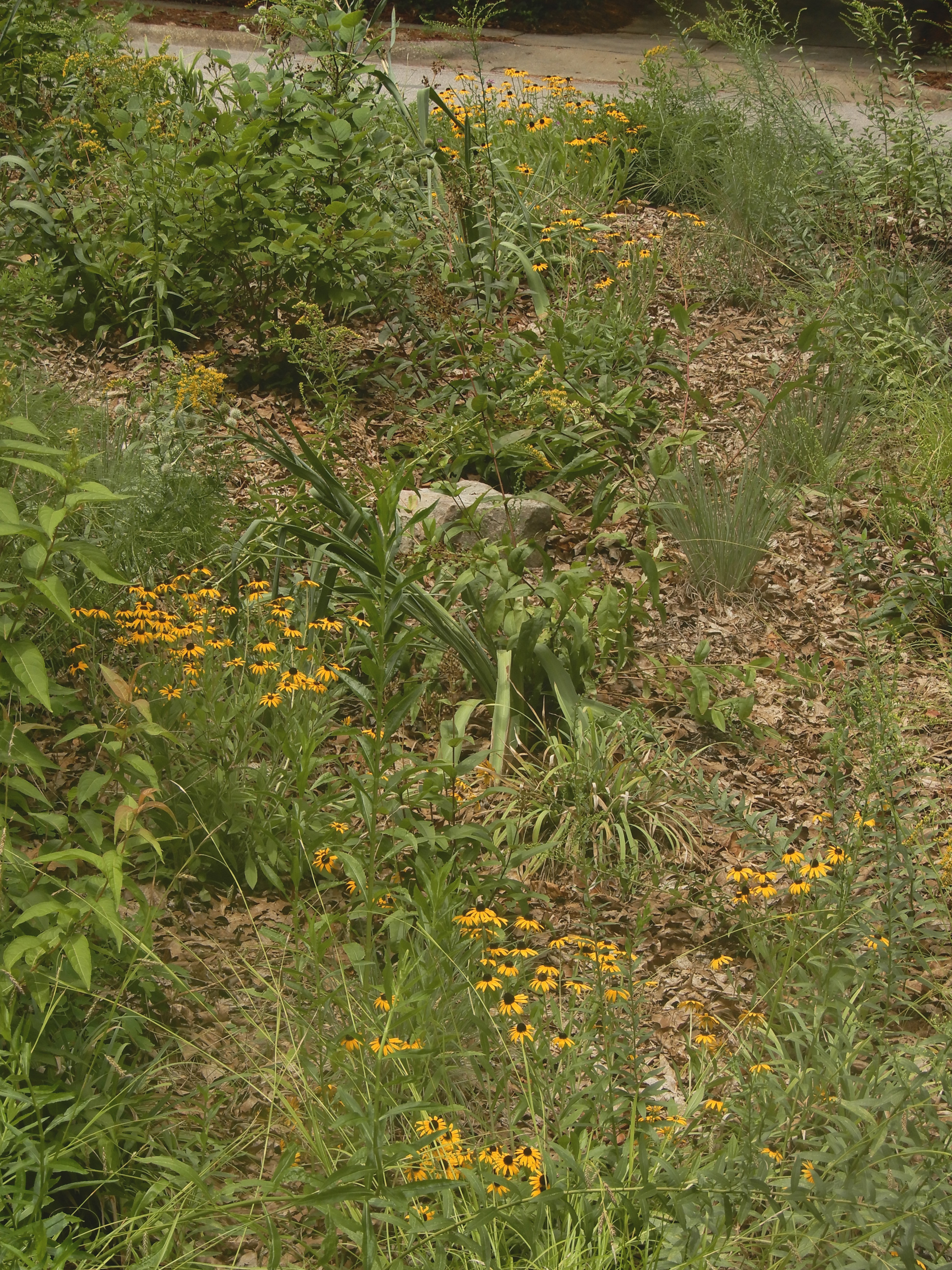
black-eyed susans cry
welcome. They're sprinkled
beside rattlesnake master,
goldenrod, butterfly
weed. Abiding our warmth,
humidity humbly, they
suggest I follow their lead.
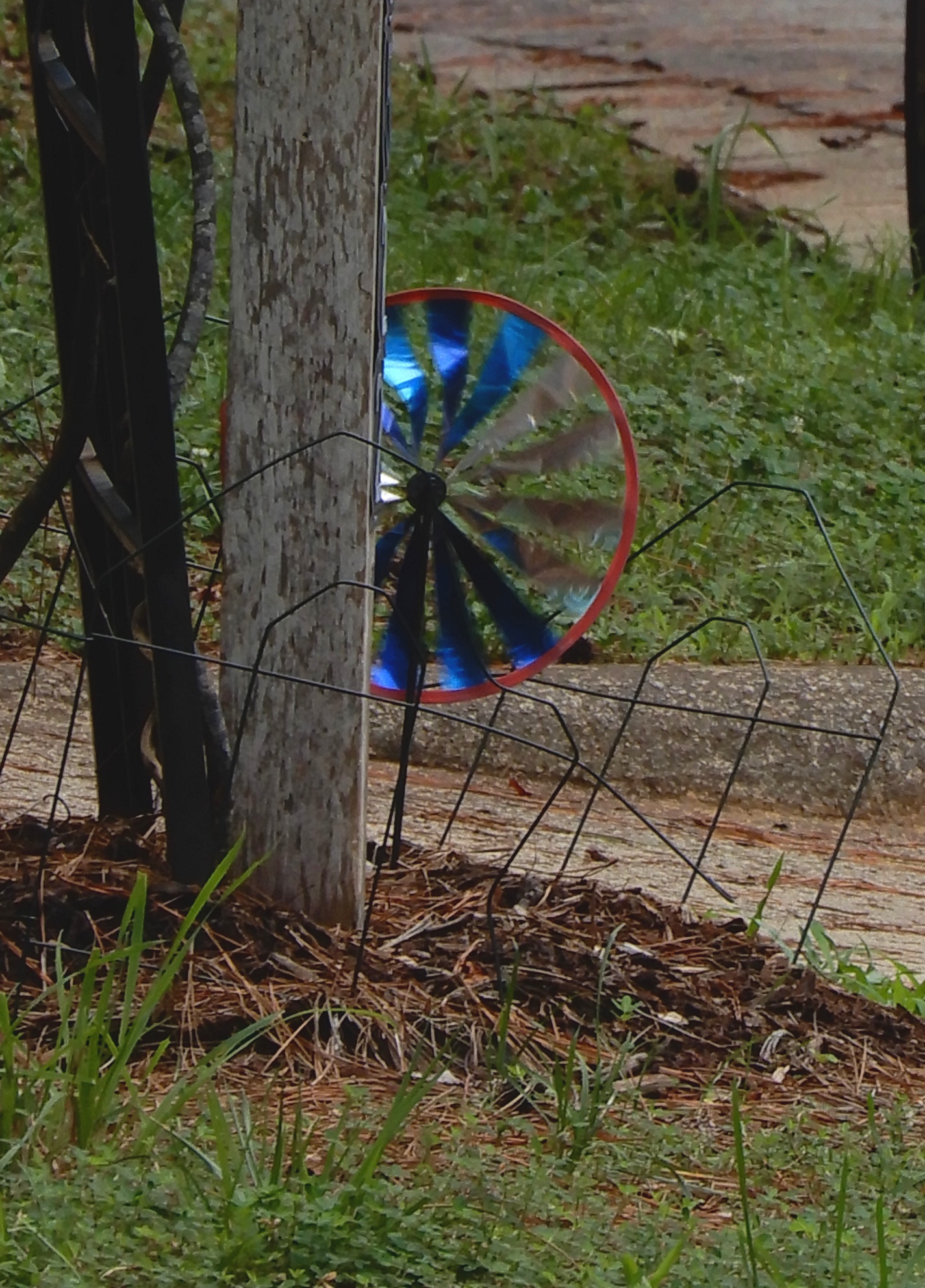
Minutes later brings one
patriotically-colored
whirligig, neglected,
spinning madly with each
new breath of hot air,
much like my country
does these days. Inured
to these new great divides,
I just see [whirligig;
patriotic] as I pass.
One neighbor's mailbox
decoration swings madly
with each puff of air. Its
caretaker keeps it small:
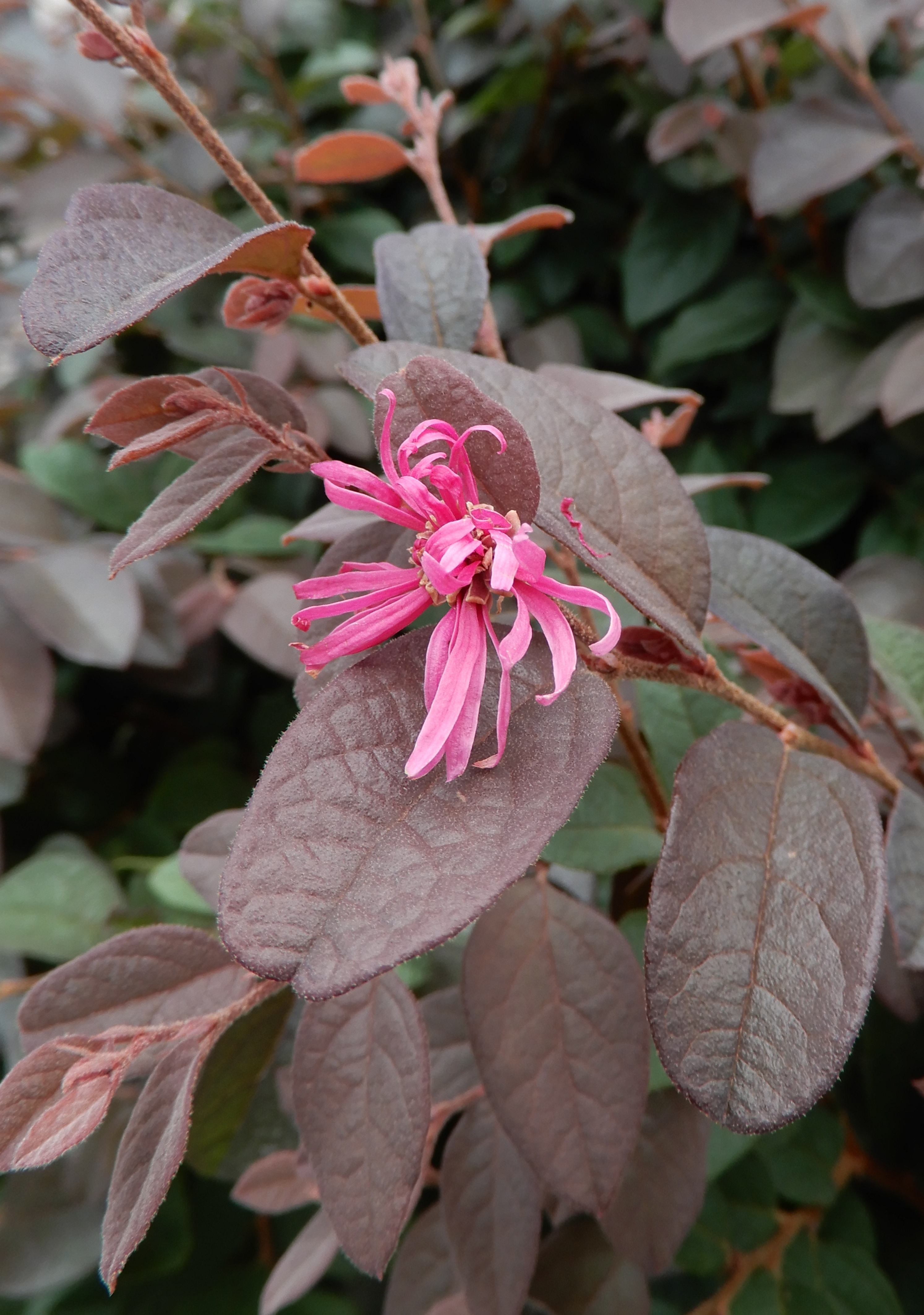
Chinese fringe flower
usually towers twenty feet.
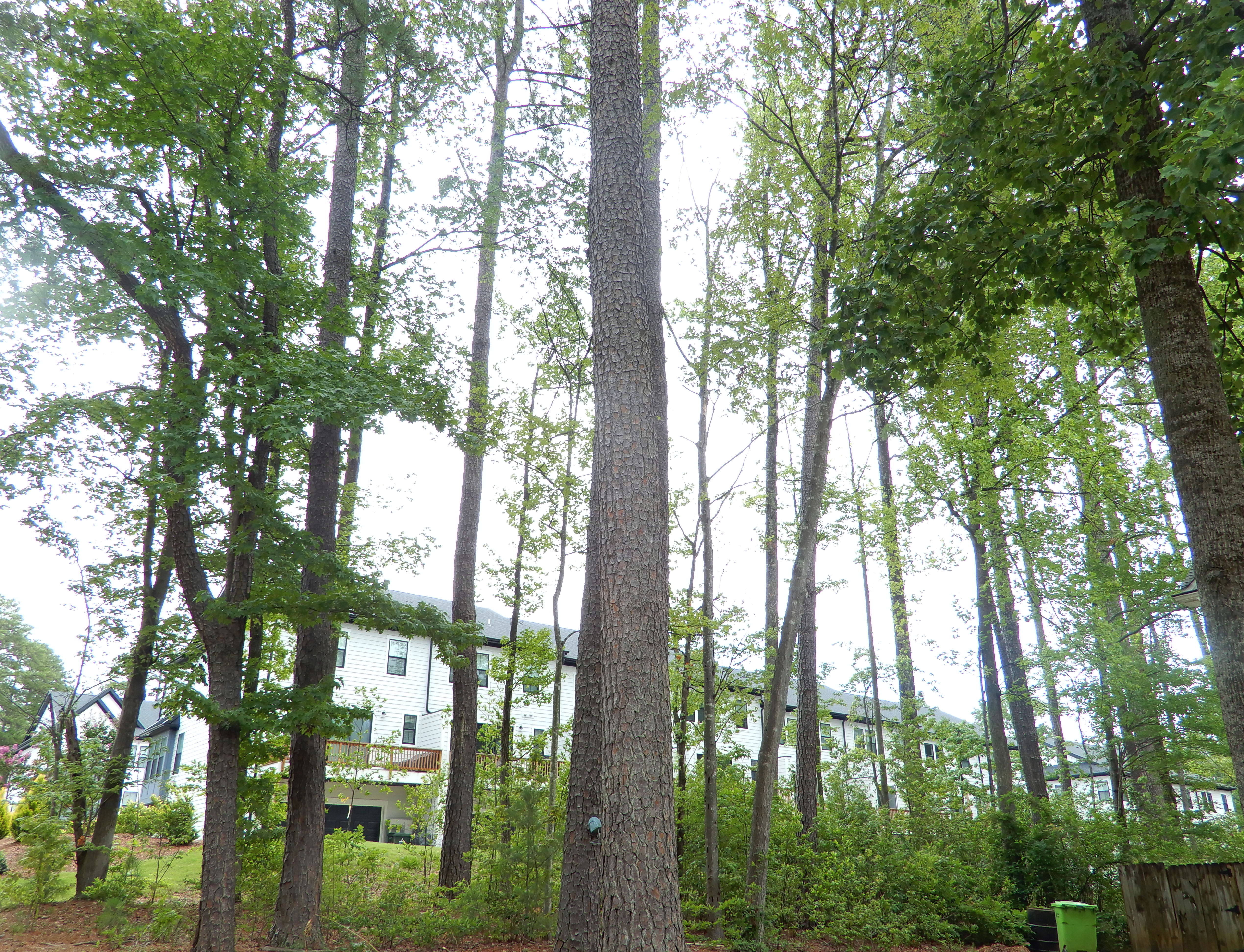
Where once I wandered scrub
woods (leftover nature long
subdued), newer years brought
townhouses, all units clad
in ubiquitous white,
(accented with charcoal trim!)
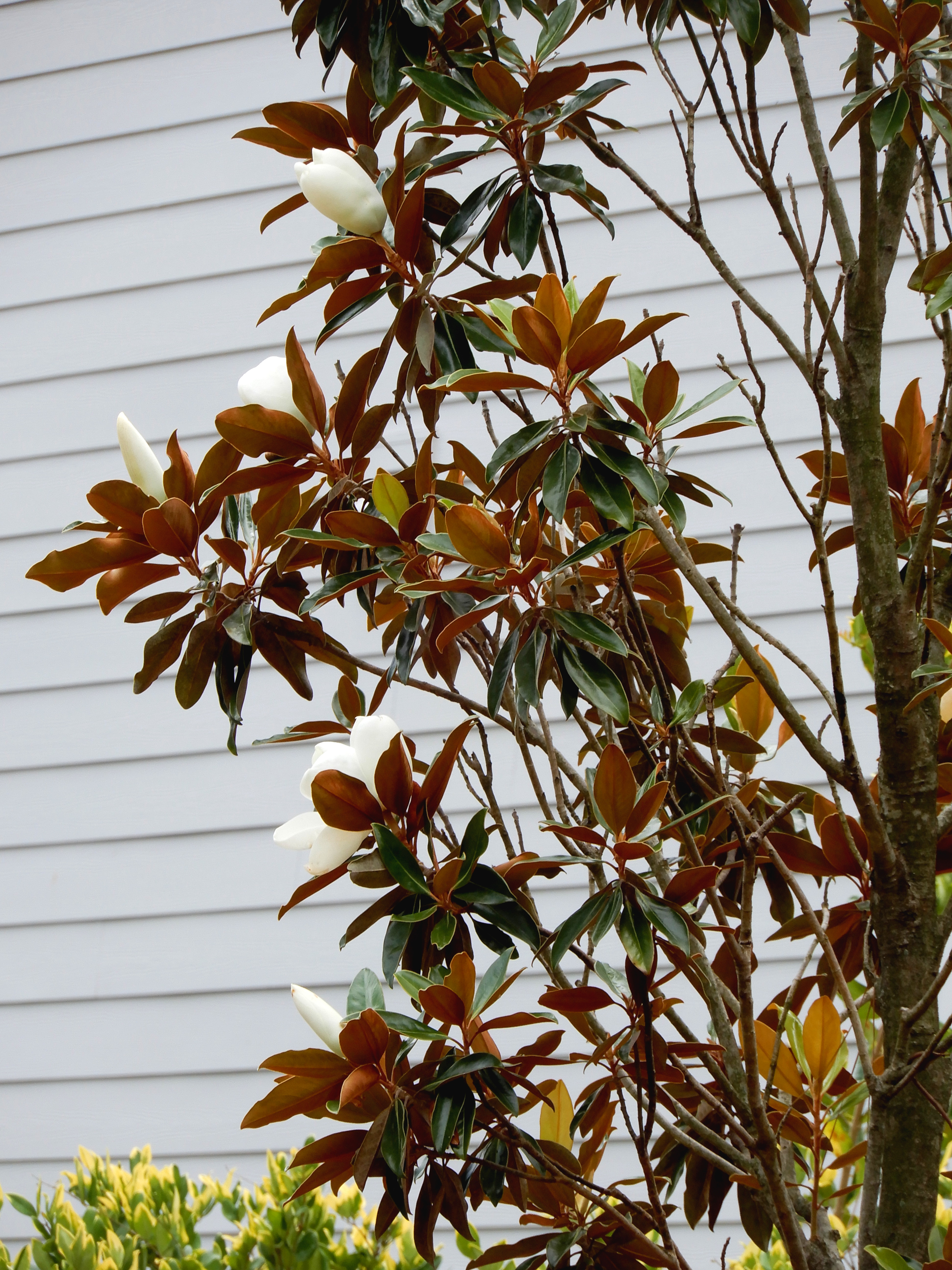
Townhouses get
young magnolias,
crafted ever-so-
perfectly by your
local nursery, while
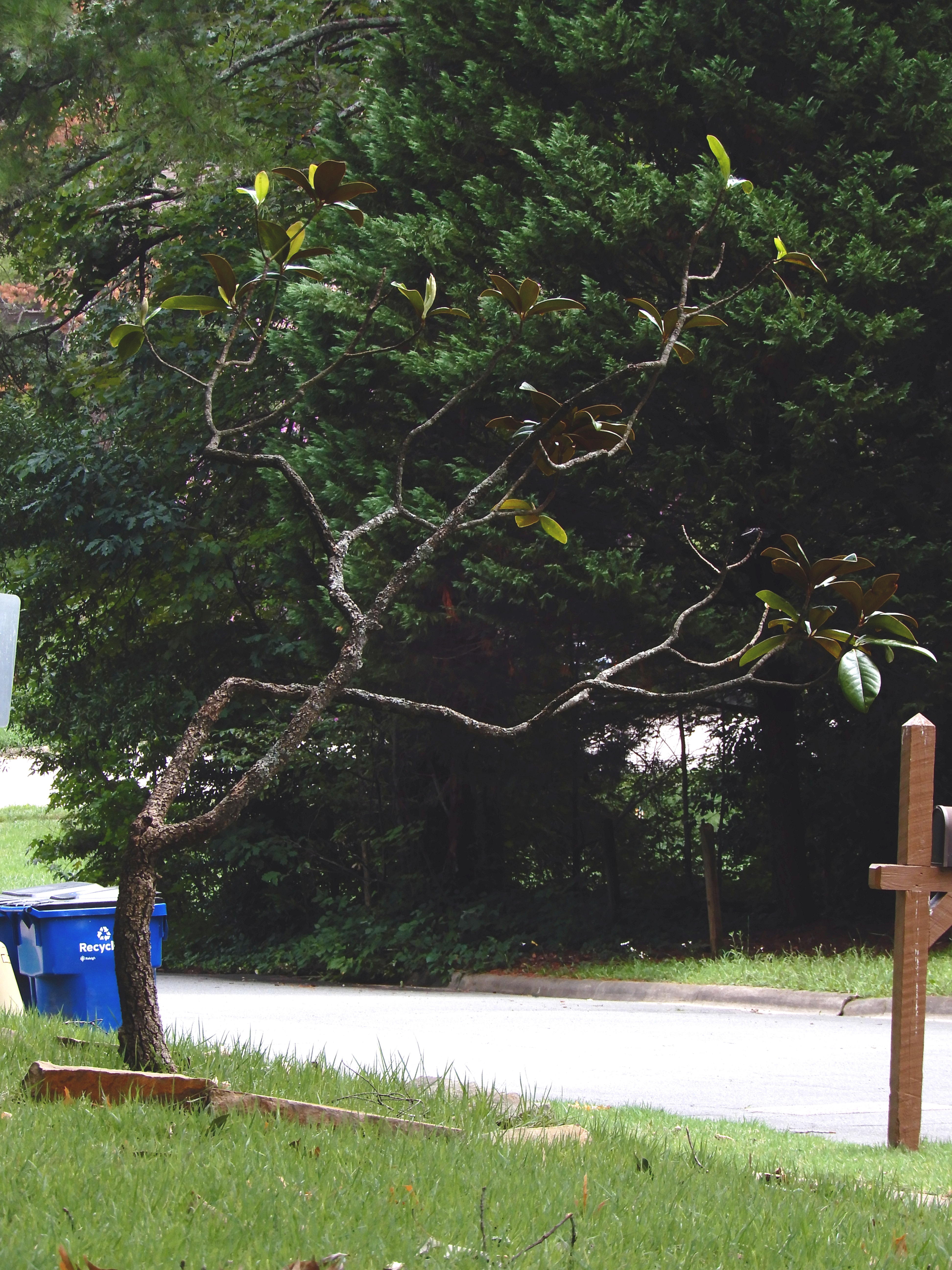
everyone else
nurtures what
such abnormal
specimens become.
Headed homeward I give
friend Crow midday greetings,
reflect upon our tree-bound need
for vegetables in front
(sunlight dictates placement),
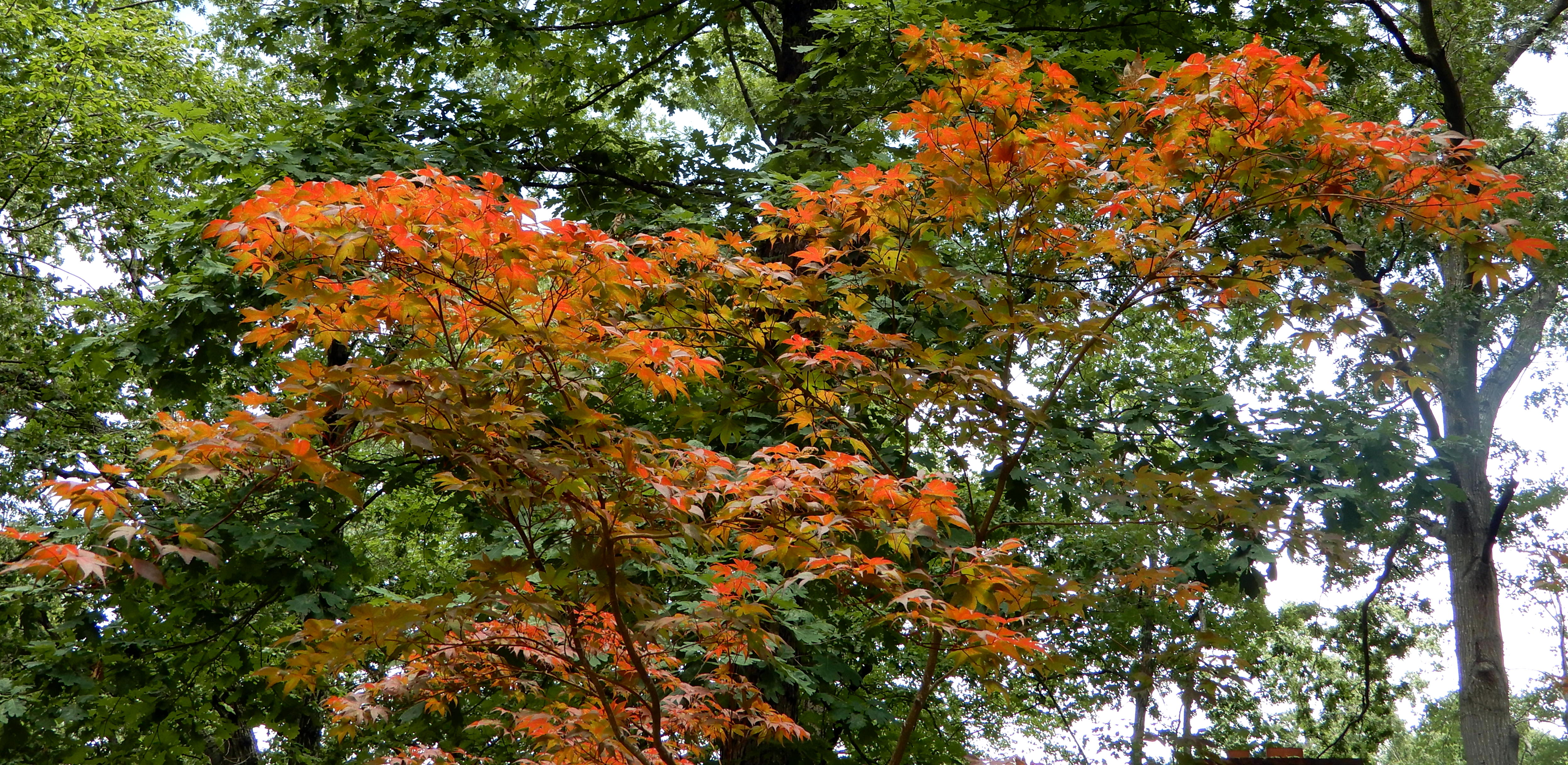
admire still-red maple leaves,
register my soaked T-shirt:
its limit of three-quarters mile,
exceeded by my four.
I’ve heard a writer should never apologize for his work. If I didn’t feel the compulsion to put a poem up here, I would work on this more. As may be: like a little boy who’s never quite clean enough for company, “it’ll do.”
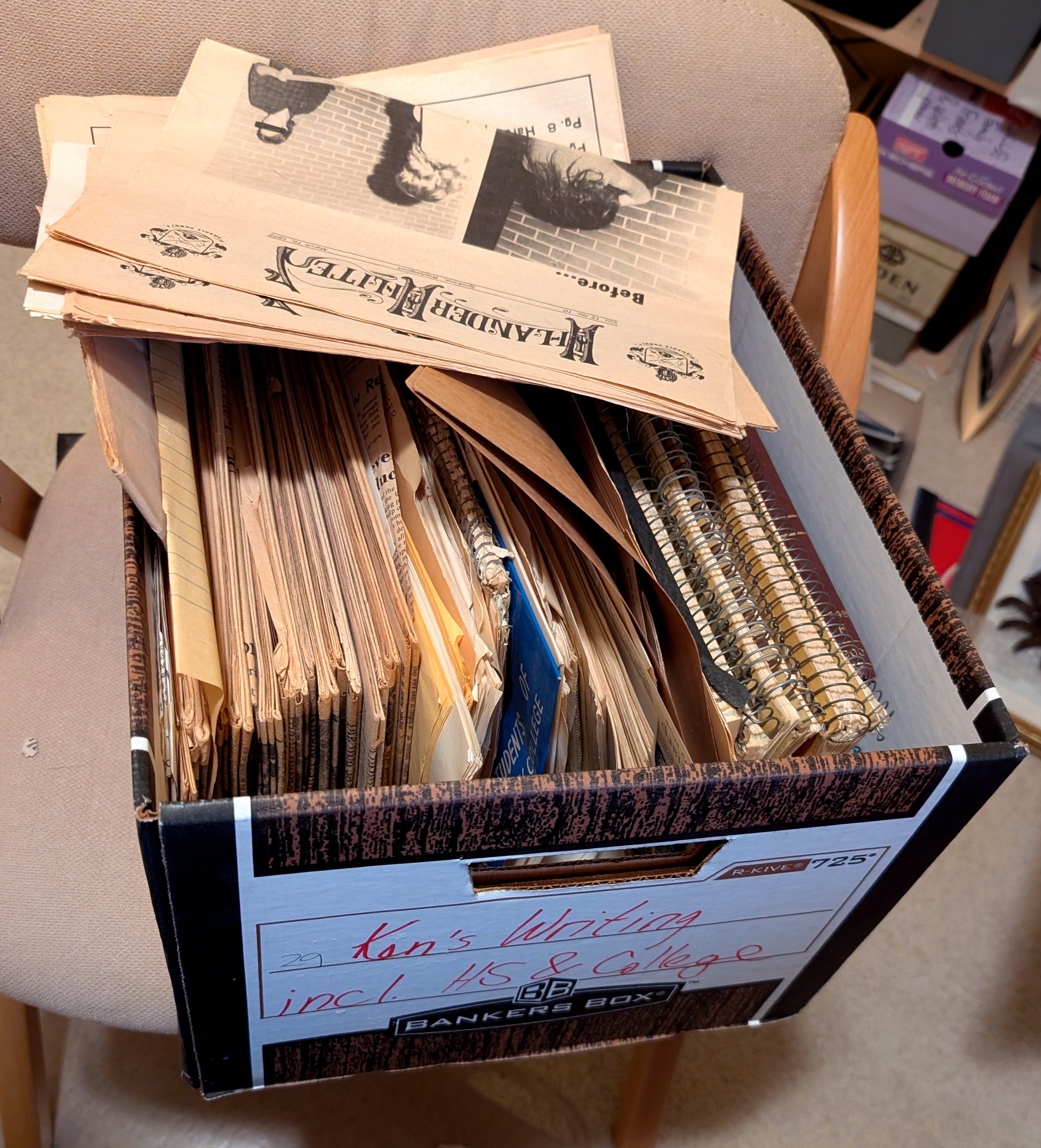
for fifty years plus five or six
he carried words he wrote. they
traveled in one banker's box:
to everywhere he'd stay.
they seldom saw much light.

he carried dreams for less than that—
they died in his mid-life. he feared
his will, lost hope, discerned no path.
life handed him ways he found weird,
brought a future bright.

throughout bright hopeless times he wrote
to capture what he felt. his
prose earned bread but poems' notes
sustained his soul—it is
what kept dull paths away.

electrons now contain his thoughts,
self-published at his whim.
without his dreams he found he'd bought
release from what trapped him.
dreams died but words found day.
One to conceptualize it, Three to interpret it (in three different ways), Five to be too busy composing, and One food-poet to cook the meal.
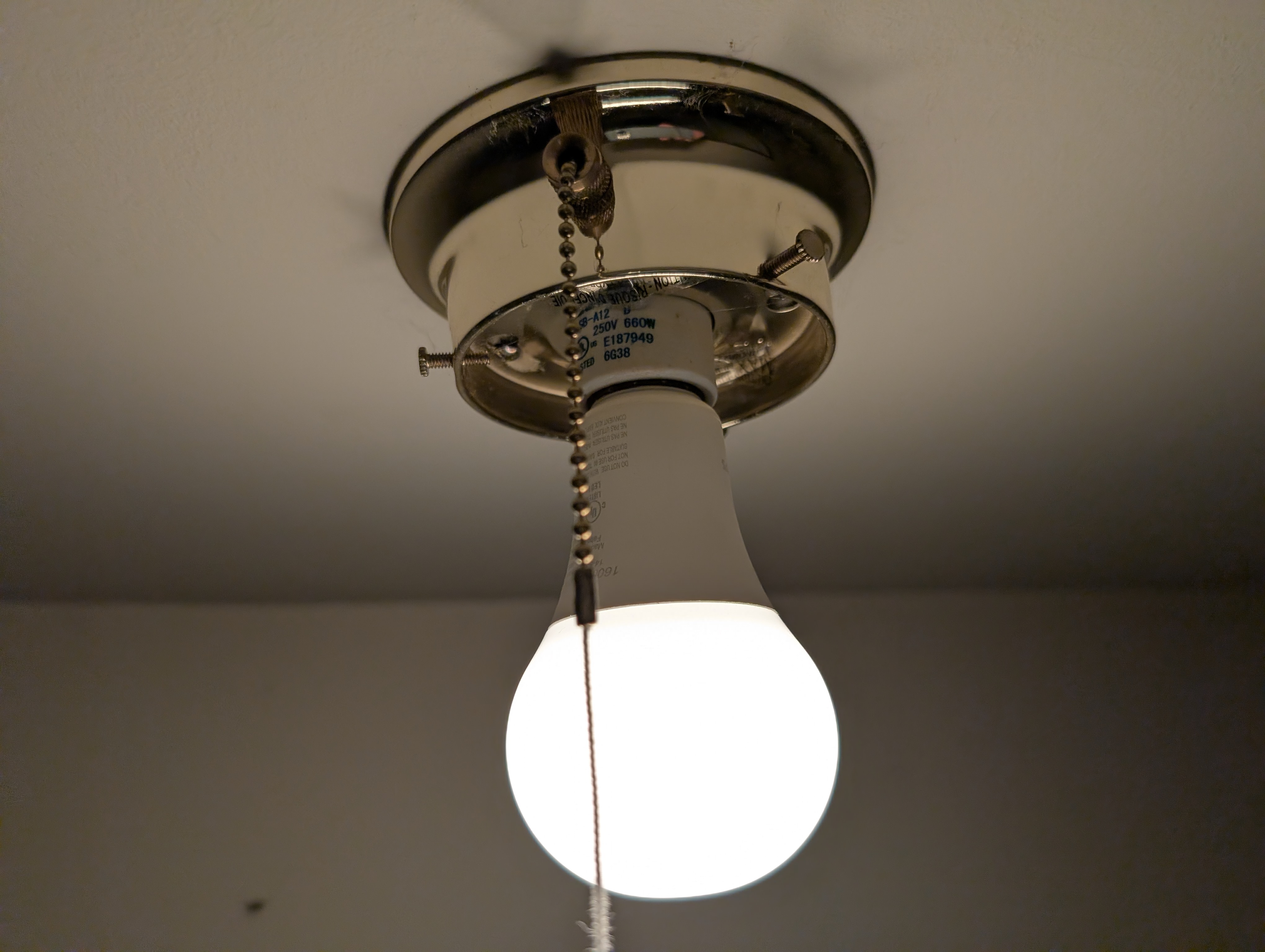
How many poets does it take to screw in a lightbulb?
Two to perform scansion of each turn of the bulb (and argue about it), One to comment on bringing light to the darkness, One to rail against Man's innate desire to alter reality, Five to demonstrate ignorance of basic threaded objects, and One mechanical-poet to screw it in.
How many cooks and janitors does it take to describe grief as relayed in the robin's song at dawn which promises another empty day? How many paint their pain with words, plain for all persons to see? How many read to the last line of a silly poem about cooking dinners and changing lightbulbs?
16/100
Today I discovered I had numbered two poems #9. Yay! This so-called 15th poem is the 16th!
I had thought the poems I dragged out of notebooks and polished would garner more comments and better ‘reviews’ than those dashed out on the fly, but this isn’t the case. For the record, poems 1 and 2 were openly declared as poems written in June while traveling in Scotland, Wales, and England. I just hadn’t got around to posting before I started this 100-day challenge. Poem #3, “Business Poetry 101,” was written approximately 2004 or 2005, edited moderately and posted. Poem #7, “Between the Boards,” also received moderate editing; the biggest change occurred when I moved the final lines down one to signify they occurred at the same spacing as the boldfaced ones above them, and eventually they became boldfaced as they composed a new set of boundaries. The haiku written as #9 but in reality was #10 sprang from an opening line to a haiku which I then re-wrote for lines two and three. The most recent recycle job was #11,”Dova,” which had a final, three-line stanza added to it. I’m pretty sure I’ve run out of poems worthy of being recycled, 16% of the way into this challenge, the training wheels come off, the water wings disappear, and I need to keep the plates spinning by myself now. After that my next biggest challenge will be in two weeks when I need to write a poem each day while on a two-week vacation. (I might just stockpile them.)
Recently I’ve been discussing with a friend of mine posed photographs in the context of a ‘photo shoot’. I am deeply prejudiced—wait, I should stop right there and not finish this sentence—to the candid. Just as the “live album” gives us a more raw, more honest performance of a musician’s music, the candid gives us a more honest visual glimpse into the soul of a subject. But—I cannot argue that a studio performance of a song might be better from a musical standpoint, and might offer more insight into the true meaning of a song. Similarly, a posed shot can, with expert crafting by the photographer, offer a deeper insight into the subject than a quickly, randomly shot photo of them. People have many reasons to want a posed shot: weddings, family gifts, graduation, proms, amid others. (A former colleague of mine spent weekends creating boudoir portfolios for wives and girlfriends who wanted to surprise their lover!)
For many decades I’ve been a firm believer in the candid that looks as if it is posed. To get a shot like this, the photographer must insinuate himself/herself into the situation to the point where snapping photos is no more unnatural than the sun shining through the window. Here is my first argument:
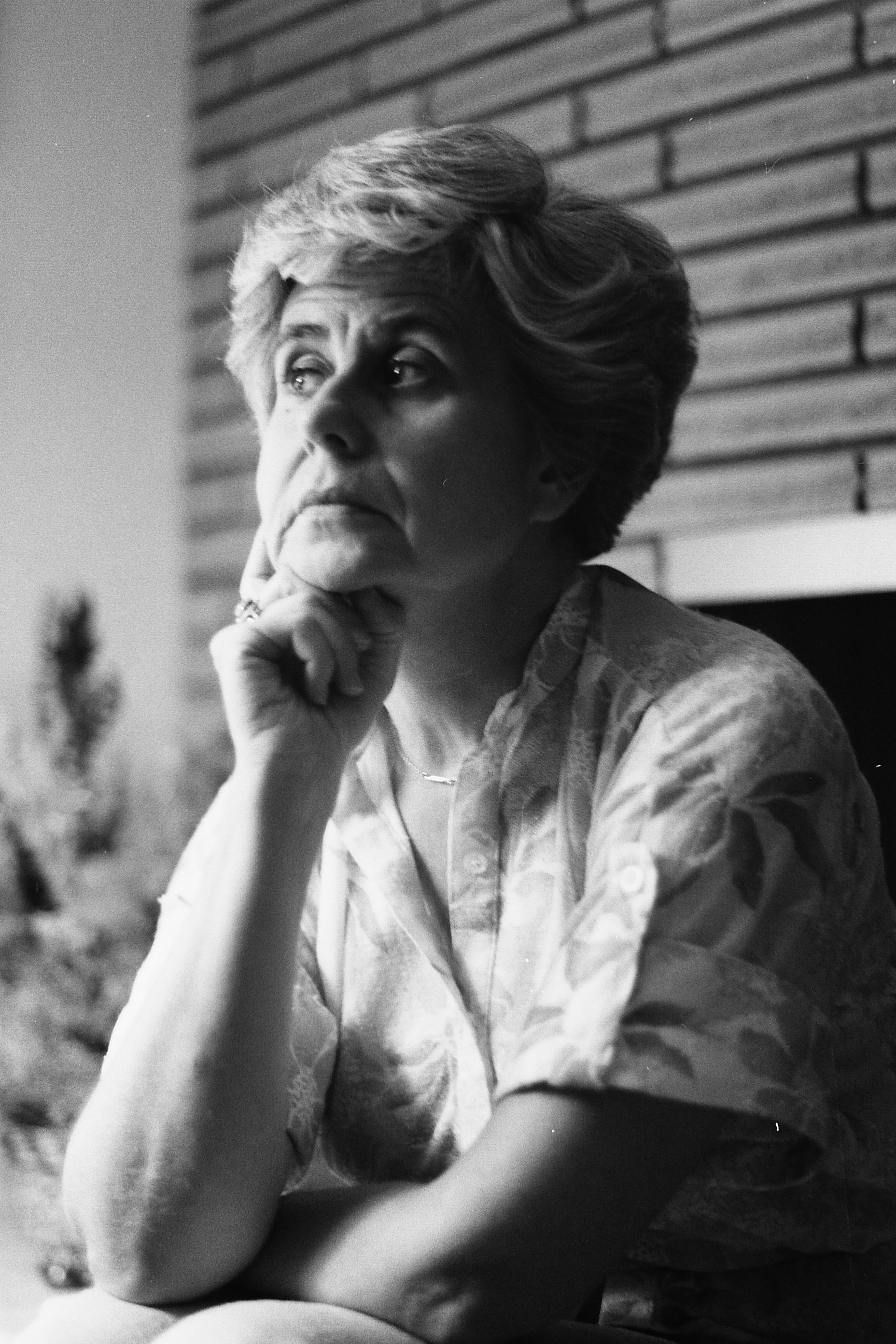
Louise Pilcher. Early 1981.
The above photo of my mother is unretouched, unedited—and unposed. She had drifted mentally from the family conversation in the living room. She is sitting on the hearth of the fireplace, likely because there were only so many chairs and a sofa, or maybe because in a few minutes she need to be in the kitchen again. From the angle, I can tell I was sitting on the floor. I believe it was taken in the summer of 1981, but I’m not totally sure. I would have been 27 that year. To my point, my mother knew I was snapping photos, but previous to this shot, I likely was pretending to snap in a different direction. I had/have a habit of just pointing and pretending to shoot because it puts my subject in a relaxed state. Example: I would note that my subject is about 15 feet away, then pick something that is about the same distance and focus on it. Swing around and snap! Subject usually isn’t even paying attention to me because my interest is elsewhere.
Sadly, one of the best portraits I ever took this way appears to have vanished. In 1981, just a few months after I started working for the Newport Miner and Gem State Miner publishing company, my editor sent me to ‘cover’ the story of a Native American woman whose relatives had informed us was celebrating her 100th birthday. I dutifully drove up to the Kalispel Reservation north of Newport, WA, to report the event. She had a beautifully craggy and lined face with a bandana tied around her head. Being less than pushy, I stood about ten feet away, chatting and taking notes, with a camera slung around my neck. Given a breather by the relatives, I swung my attention and my camera to the ‘birthday girl’ as she smoked a cigarette. A tiny bit of zoom on the telephoto and click: I took a head-and-shoulders shot which captured her hand with a cigarette. When it was processed, my editor exclaimed, “Damn, Pilcher, you sure can take a photograph!” It graced the cover of their quarterly features tabloid.
Here’s another one of my mother. My wife and my parents were visiting the Hancock Shaker Village on the western edge of Massachusetts in 2004. Mom stopped for a physical respite, and I said, “Hey, Mom!” before snapping this shot. We used it at her funeral fifteen years later.
My mother in 2004.
Does she look a bit startled. Yes. But does she also look as if someone just said, “Hey, Louise?” Yes, again, and I would argue that’s the impact of the photo. She looks like an 18-year-old who just turned to her boyfriend, except she’s 75 in this photo which adds to the depth of meaning.
I’m still having difficulty describing what I feel is a gray area between “posed” and “candid” where I think a lot of portrait photographers would like to live. The best examples I can think of are those photographers who take photos to accompany interviews, sometimes while the interview unfolds. I don’t know most of their names, but one famous one would be Annie Leibovitz who I know primarily because she photographed musicians for Rolling Stone. She photographed John and Yoko Lennon hours before John was gunned down. She photographed Demi Moore naked and pregnant. Bruce Springsteen had her photograph the covers for Born in the U.S.A. and Tunnel of Love. And on and on. There’s a good list on Wikipedia.
Maybe I’m just fooling myself. I’m never sure on this topic. Maybe I’m confusing the stray candid that looks posed for those that actually are. My point, if I have one: people are better known when shot candidly, when they have relaxed into who they are. As photographers we need to work toward putting our subjects into that state, even if the photos will be taken at a formal shoot. What if you click, click, clicked every few seconds? And you carried on a conversation while doing it? Wouldn’t your subject just get used to the snapping shutter? Do you have the ability to shoot someone without putting the camera up to your eye? (Oh, how I miss the two-and-a-quarter Hasselblads! A glance down there and you’ve got a shot they don’t even know you’re taking.) Can you use the “hey, I’m not recording these shots right now” ruse (presuming you’re shooting digital—it was so much easier in the film days)? You of course are lying. Can you carry on innocuous conversation while you shoot? Ask provocative questions? Or will it be the mundane, “Okay, Shirley, now let’s get some with you looking to your left”?
Nighttime scribbles. Wish I could remember what that great title goes with.
One: did words just
pop into your head?
Dressed for success?
Silently shouting,
"Look. At. Me."
Well? What will you
write in response?

Two: did last night's
"Tah-dah!" moment,
captured scribblingly,
profess any worth when
illuminated by morning sun?
Or did beer think itself
scholarly? Well?

Three: has this image
squatted in your mind,
vagrantly occupying
your attention, its
presence exciting but
annoying? Evict it by
describing it?

Four: if Image
brings her friend,
Emotion, accompanying
your nighttime scribbles,
party troika promising
trouble plus fun—
you've got poetry.

Good luck, sucker,
hanging on to your
sense of control. See
ya after your eyeballs
roll back, you forget
your agenda, you
forget your promises.