

Sunrise along the ICW
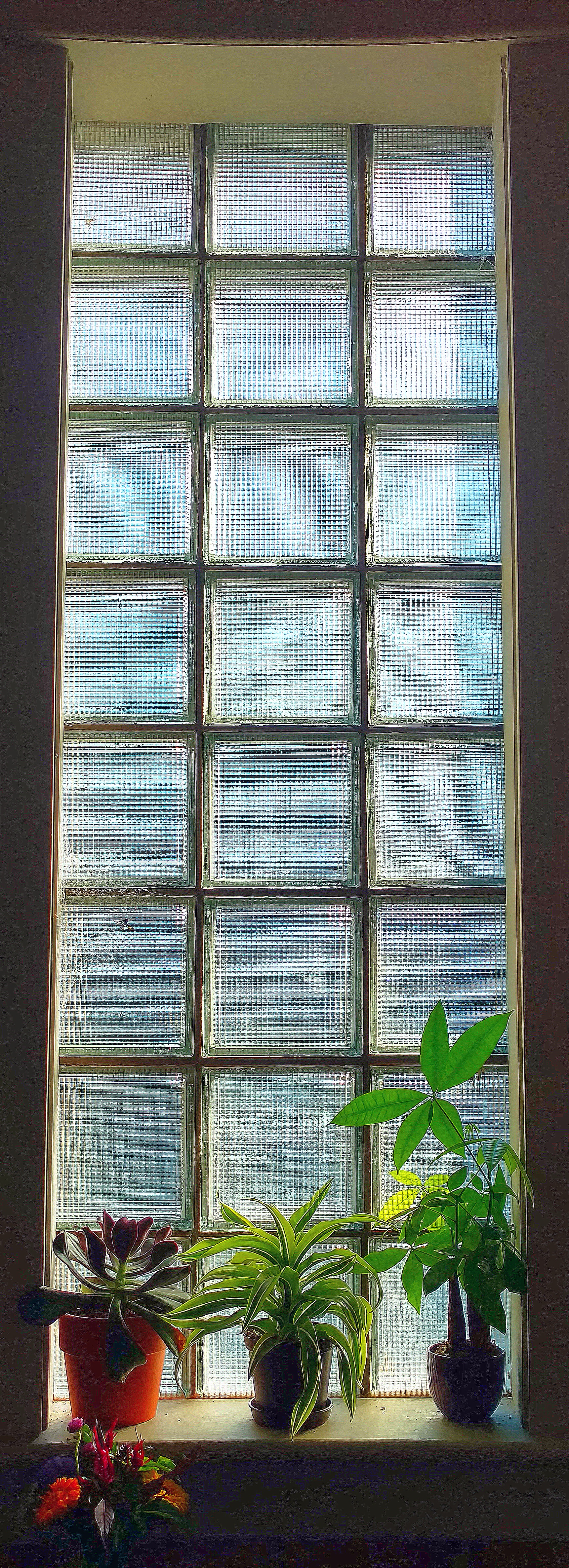

I have published this photo before to social media, but not in this edited format. (The shadows have been lightened to the point where my grandmother is recognizably her. The barrels stand out.) My grandmother was raised primarily in Greenup, KY, on the Ohio River, though she also lived in the nearby cities/towns of Ironton and Cincinnati, OH, before she moved with her mother and brother to San Francisco, CA. At that point she was a young woman and soon met her husband-to-be, my grandfather. When this photo was taken, she had not lived in this area (KY/OH) for 40 to 50 years. I am uncertain, but I know my grandparents married in the mid-1920s and were living in Seattle, WA, by 1929 when my mother was born. Greenup, KY is on the edge of the Appalachians. Though northerly (near West Virginia and western Pennsylvania), the so-called hillbilly influence was large. My grandmother told a story of her grandmother (her mother’s mother) coming out of the hills to visit, complete with logging boots and corncob pipe. It likely affected my grandmother–she put on airs all her life. But that is another story….
Raven-black part of my consciousness
Why are you there?
Oh, yeah. You’re me.

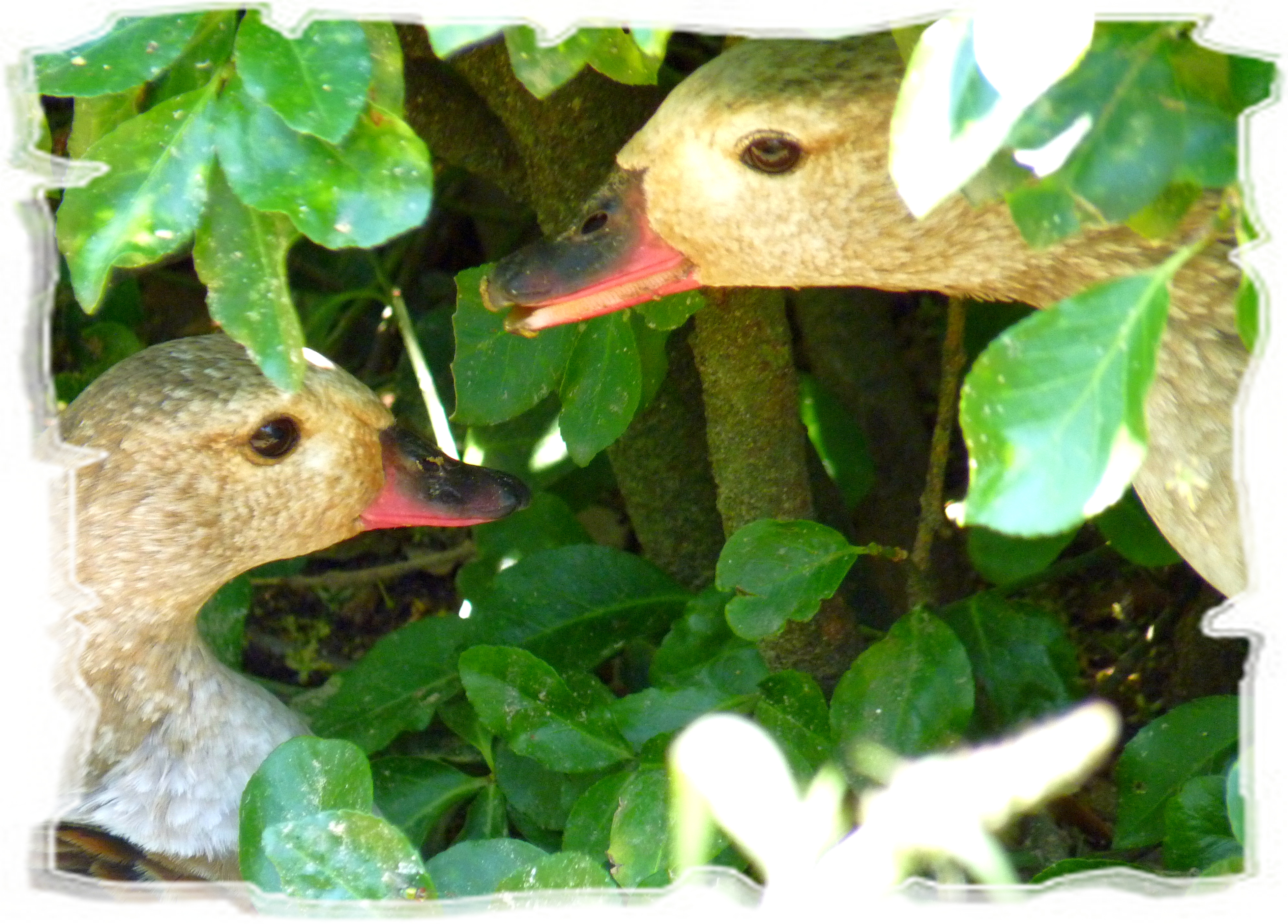
I was reminded today of Allen Ginsberg’s definition of an American sentence as English’s answer to the haiku. I’m stealing most of this from another blogger. And here is another bit of definition. Ginsberg felt English needed more freedom to achieve what the haiku accomplishes with its 5/7/5 structure. To write one, use 17 syllables in a grammatically correct sentence (or sentences). One full line, arranged if you like (as I’ve done above). In my opinion, one should attempt the juxtaposed twist in meaning at the end as one reads in a traditional haiku. (Is my photograph a visual twist? “Raven” becomes “crow”?)
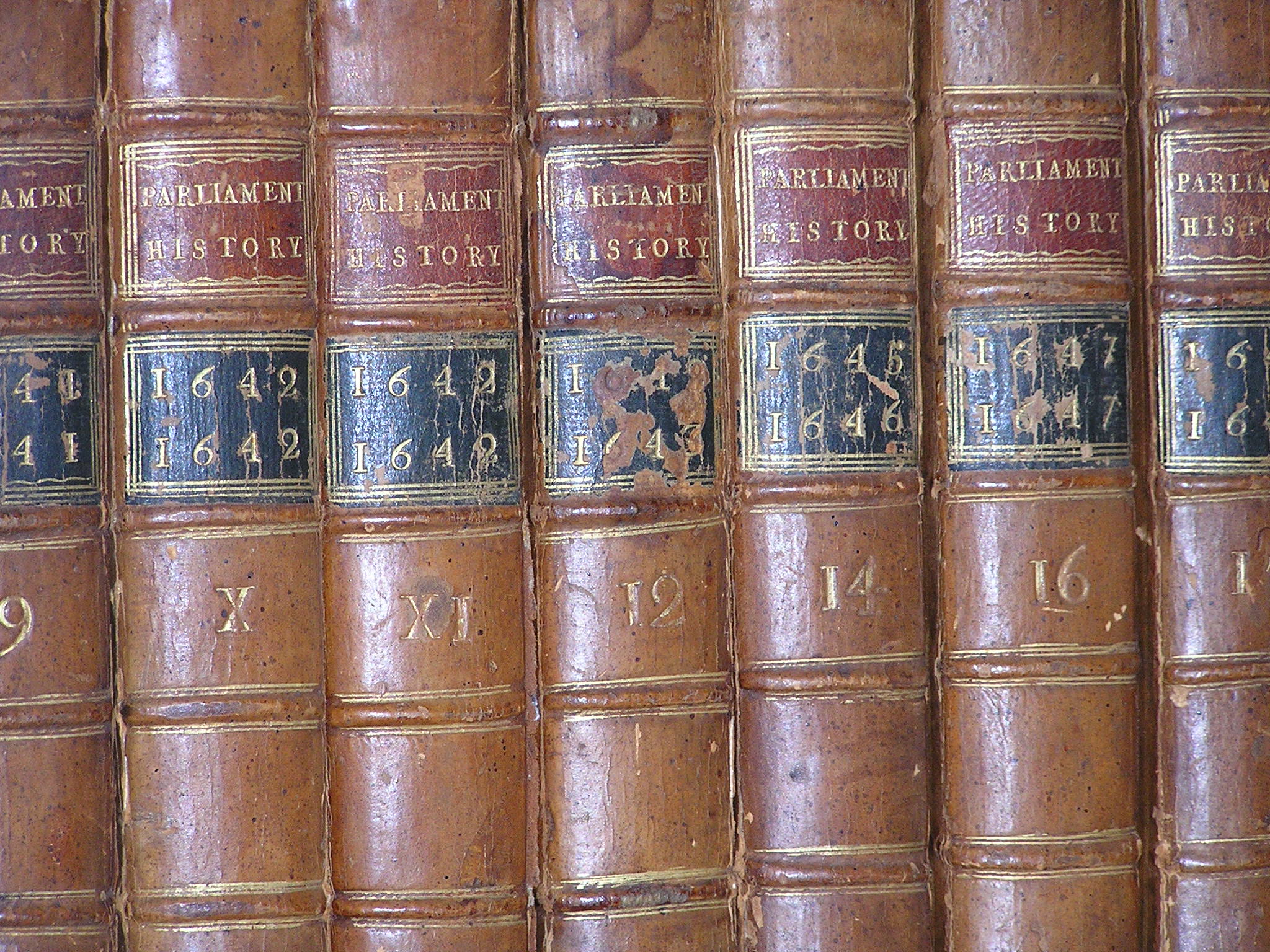
I’ve just been perusing my library. (I curate it through LibraryThing, not GoodReads or the like. It’s an obsessive need to categorize every ‘thing’. I have mentioned this before. ) I’ve periodically jettisoned books which I presume I will no longer want, yet approximately 1500 books remain. Of these, 422 are unread. Another couple dozen are in various stages of being read: books I put down but mean to pick up again; books which are anthologies of marginal interest; but mostly books which are collections of works by favorite authors of which I have read but one of the works.
More importantly, of those 422 books, I have tagged 72 of them as “to read ASAP”. So, one in six. I do not read quickly. I subvocalize which slows down the reading pace but makes it more enjoyable for me. I don’t subvocalize when studying because I get bored with required texts no matter how interesting. It’s amazing how quickly you can work through a nonfiction text when you are just trying to get the gist out of it. This actually is the reason I rarely read works about sociopolitical topics. They state their case in the first few pages and one can just scan the rest of the work to see the supporting arguments–it only takes 15-30 minutes. But back to the library, and my point…
Due to this subvocalizing habit, I (sadly) read only 12-20 books each year. Books which are “good for me” but not written well take longer because late in the evening when I am most likely to read, they fail to capture my interest. Then too, my devotion to computers and smartphones has rewired my brain such that I expect instant gratification from a book. I generally have a rule to read at least 50 pages of a book before bailing on it. With Umberto Eco’s Foucault’s Pendulum I gave it 100 pages since it was so incredibly long. (And I’m glad I did.) Lately I’ve had to increase all books to 100 pages because I lack the focus I once had. Right now I’m reading The Cold Millions by Jess Walter. I was ready to bail after 50 pages, but now I’m into it and will finish. But so what? There are those 422 books…
When I peruse the titles of those books, particularly the ASAP list, I want to read them all. NOW! The next book in Donald Harington’s collected works? Absolutely! Lawrence Durrell’s semi-travel-oriented work Prospero’s Cell? I must! “I can’t finish his autobiography without reading what he wrote at that point of his life!” Pat Barker’s Regeneration trilogy? I’ve been waiting years to read that! But what about the nearly one dozen unread books I have by Jim Harrison? Or the half dozen José Saramago books which I haven’t read yet? And how about what is likely the final book of Gabriel Garcia Marquez which I will ever read? What about all those one-offs that sound so good, which friends have recommended, which critics laud, which any literate person would have read by now?
I need that Matrix thing plugged into the back of my head to enjoy them all, NOW, before my literary ambitions explode within me. I need a thousand-track brain. Except…
Just because there are 422 books representing perhaps as many as 35 years’ worth of reading at my tortoise-like reading pace, and just because I have but 20-25 years remaining on this mortal coil, why should I worry about checking all those books off of the list? Isn’t there joy in the anticipation of pleasure? Doesn’t it heighten the overall enjoyment?
Some highly literate person, a writer and reader–I cannot bring his name to mind nor find it in my books–had just moved to a new house in Paris. The move consisted mostly of boxes and boxes of books. One of the movers asked, “My goodness, have you read all of these books?” And his reply was perfect:
“Of course not! That’s why they’re there.”
For us, the literate and always-reading, an optimistic, pleasurable future is measured in the books we’ve yet to read. As with so many things in life, not jumping to a hasty decision to read them as soon as we hear about them has helped us to avoid the casual, gee-I-wish-I-hadn’t-done-that feeling which marks the impetuous commitment romantics make with each new date. The elderly professor who guided my Junior Colloquium gently disabused me of my first choice of study for the colloquium: “Well, Steinbeck is an acceptable choice, but don’t you want to choose an author whose reputation is undisputed at this point?” This was 1982. Steinbeck wrote The Grapes of Wrath in 1939. I was 28 years old, and I didn’t understand that my advisor had actually lived through the events described in Steinbeck’s book. She had been about my age when Steinbeck published it. We settled on Machiavelli’s The Prince and the Discourses. I’ve taken her lesson to heart. Works which speak to generations, which command respect, which make a forceful commentary on human existence need decades to be sorted out.
I could whittle down the list to an acceptable number for the remaining years I have left, leaving a bit of room for books which enter my universe day to day. But I don’t want to “tidy up my affairs” before the end of my life. I want to leave a messy, tangled knot of good intentions and half-finished projects, and that includes my reading list(s). I want on my deathbed to say, “shit, I never got to read…..!” followed by an explosion of titles. I would like the names of these books to be whispered with urgency as I expire. I want to be still in the process of living.


I’ve waited more than three months, I’ve written it in prose, then verse, then a different verse, then rewritten the prose. This may be as close as I get, and it’s not to my liking, yet I’m publishing it to get it off the e-desk and out of my mind.
Two Voices Debate
“There are rules,” she said.
“Rules rule.” Pitiably, I
Know what she means.
=============================
Put the colored pencils in
Sequence according to height,
Says my ten-year-old inner voice.
Nice. Now rearrange by color,
Rainbow-like. (Look up the spectrum
If you must, Kenny.) Now,
Place the colors violet through green,
Left to right, into your rack
with space between, because…
Double back the ‘light’ colors from
Right to left, ending with red between
Violet and blue. Good! But now,
Arrange them alphabetically
By color name. Now put them
Away. We’ve no time to actually
Do anything with them. Besides,
You’re no artist anyway.
=============================
When you walk to school, step
Precisely between the expansion
Seams of the concrete sidewalk.
If there’s a crack, step in the bigger
Piece still between the seams.
For extra points, step equidistantly
From each seam. No care for
Mother’s back in all this—just
Walking how you color…
=============================
Oh, beautiful algebra! Lovely
Geometry! Your rules so pristine,
Your road to explainability, to
All’s-right-with-the-worldness. And
Diagramming sentences! Who cares
If it’s useless? It’s beauty cannot
Be denied! Science, though,
Its physics, its chemistry, its
Squishy biology stuff, no,
Not abstract enough, not
In-your-head enough. Too
Practical, too mundane.
=============================
You have to call her, man.
But…today? Is three days a
Proper amount of lead time?
Would twenty-four hours be
Too little? Would it be better if
I called in the afternoon or
Evening? Oh, why did I ever ask
Her out in the first place?
“You know, I think I’m not going
To go to the prom this year after all.”
=============================
”No, I’m not going to wait twenty
Minutes to eat, especially if I have
To wait outside. It’s cold.” He drives
Off spending forty minutes to
Save twenty minutes.
=============================
“We could gas up there.” Wrong side
Of the road. “There’s one.” Nope.
“Too seedy. There’s one!” but,
Crap, every pump’s occupied.
Ding! Your car says, "feed me".
=============================
“Isn’t life too difficult this way?”
Asks Creative-Emotive Voice. “Can’t
We take it easy? Just roll with it?”
Try that. Good too. Shut Obsessive-
Controlling Voice into its compartment
Deep within one’s gray cells. Overrule
Edicts for living, for walking, for performing
Every.
Single.
Act.
Of.
Human.
Existence.
“If you’re going to be A Writer, how
Do you expect to do it listening to
That Guy? Feel your heart surging?
Sure you do. How can you ignore it
By following these silly rules?”
Drink too much. Eat too much. Drug
Too much. Watch movies while
Neglecting one’s bills, one’s friends,
One’s social reason for being…
One’s stated creative urges. But:
Give Rulemaker his short leash.
Gentle grid of rules on fields of
Creative abandonment.
Create. Create. And create. Short
Circuit all words with singing,
With photography, with poetry (yes),
With—of all things—computer
Programming. (“How can I fail
At explaining what I do
When I program?” Sorry,
Dude, no words involved then,
No words available now.)
=============================
Uneasily, after many misstarts to
One’s Life Direction,
Let them both talk. Let one
Over-rule the other, let one
Overrule the other. Blend,
Mend, learn Selective Voice
Attention Mode. Leaving one
Question, one conundrum:
who selects which Voice?
Who are you?
Who are “You”?
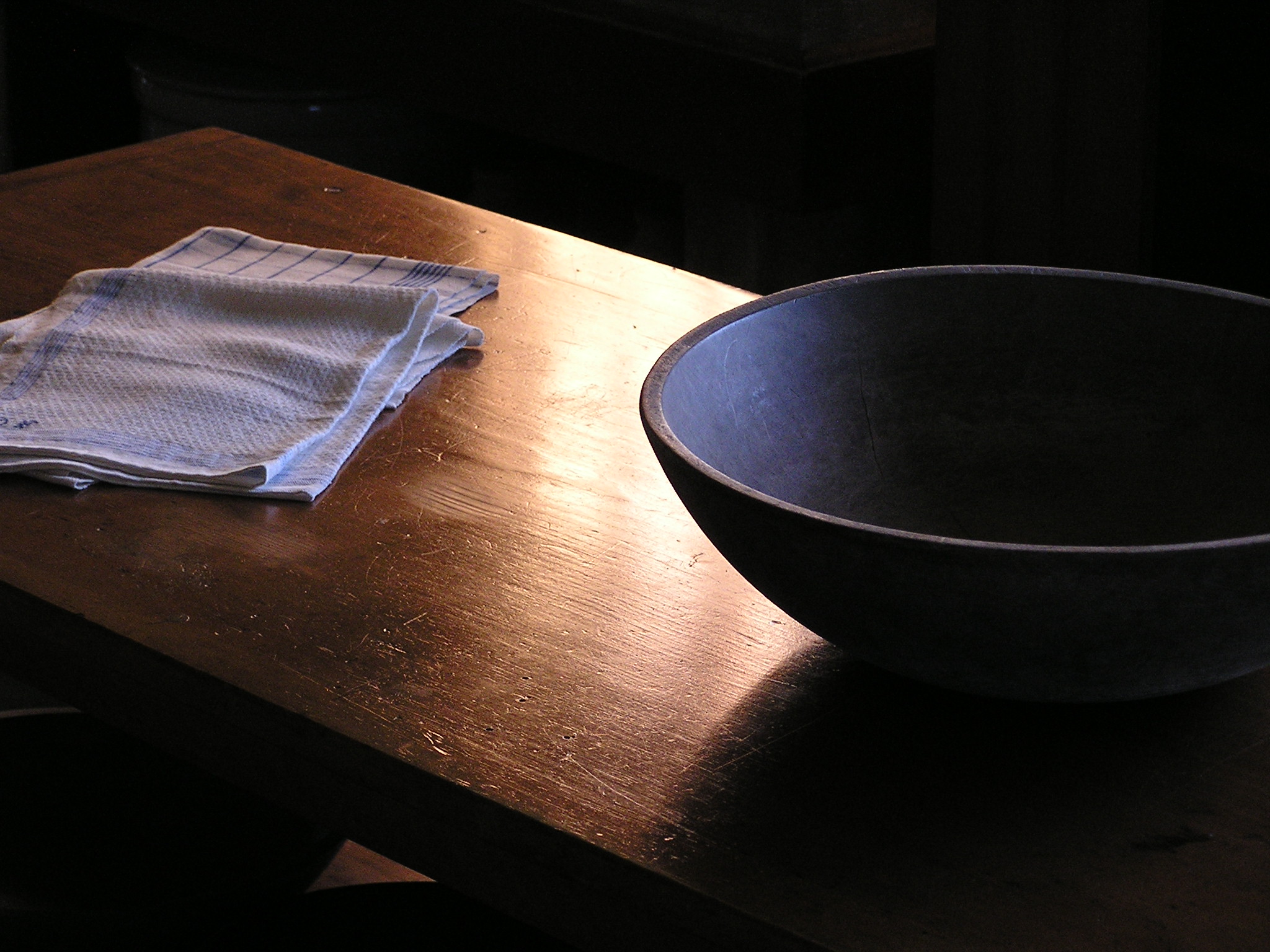
One of my favorite photos to date. It has hung in our kitchens ever since.
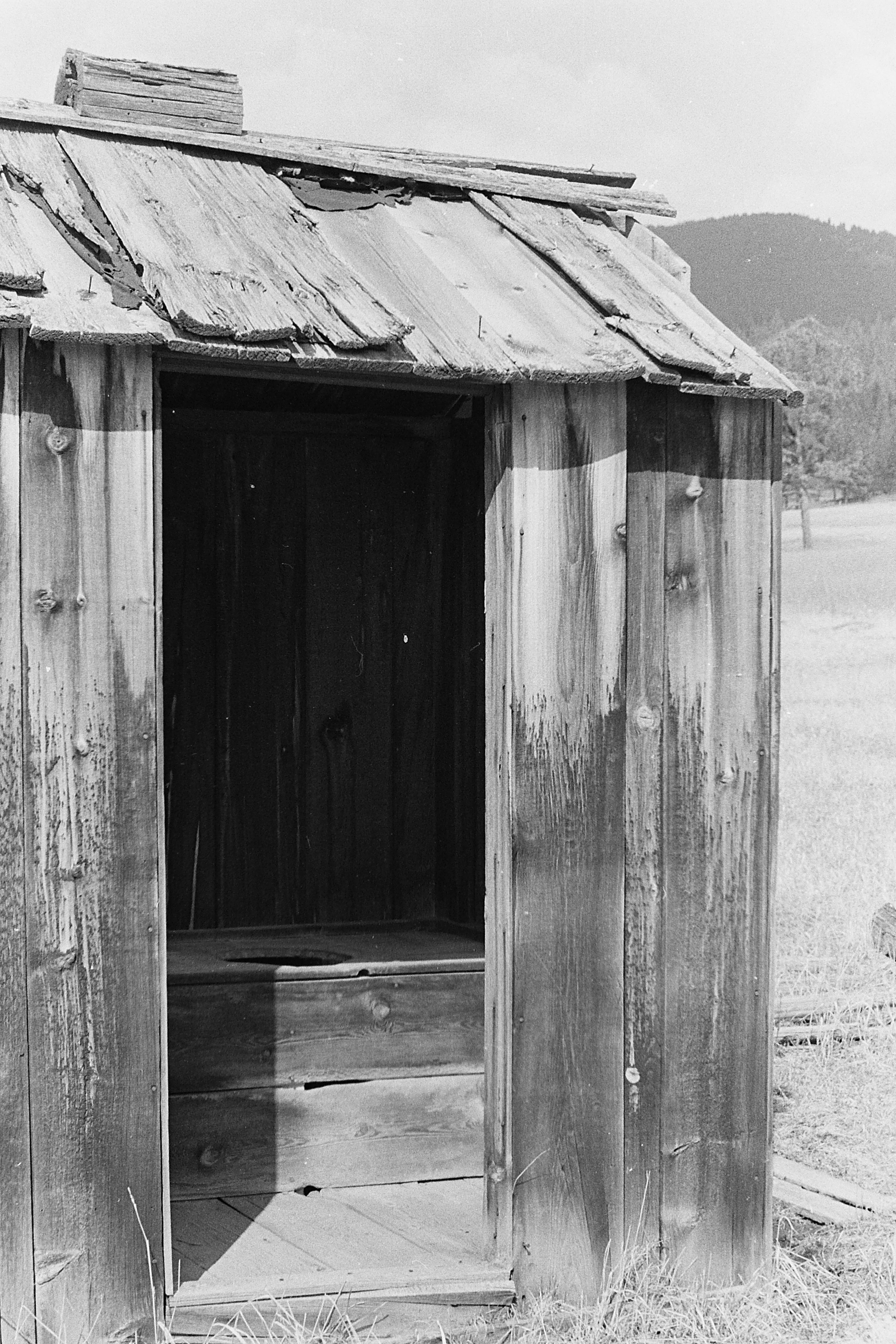
Apologies for the pun in today’s headline. What “pushin'” refers to is the photographic technique. A professor of photography at the University of Montana (where I attended my freshman year) had us try a different type of exposure technique. We used light meters to measure the darkest part of the scene, then took the photo with Tri-X film. The camera was set to an ASA of 6000. We developed the film ourselves, pushing it a certain amount. I don’t remember how much, but I wouldn’t think you would have to push it a lot with those settings. The photo above is unretouched, uncropped.

