Reporter, editor, photographer. Eighth grade teacher of English and computers. Actor. Quality assurance professional for pharmaceutical manufacturing. And always a writer.
A recent sit on the porch yielded too many “morning” poems for one day. Herewith…
I sat in morning's glory:
Sun on my left shoulder.
Squirrels, possessed, scampered below,
imitating smaller chipmunks.
Finches swooped from roof
to feeder, then returned.
One belligerent wren whistled
insistently. Towhee sang softly,
Wren's backup singer.
Suddenly bird-laughter through
dense pines. Pileated woodpecker
taunted from his shadowy
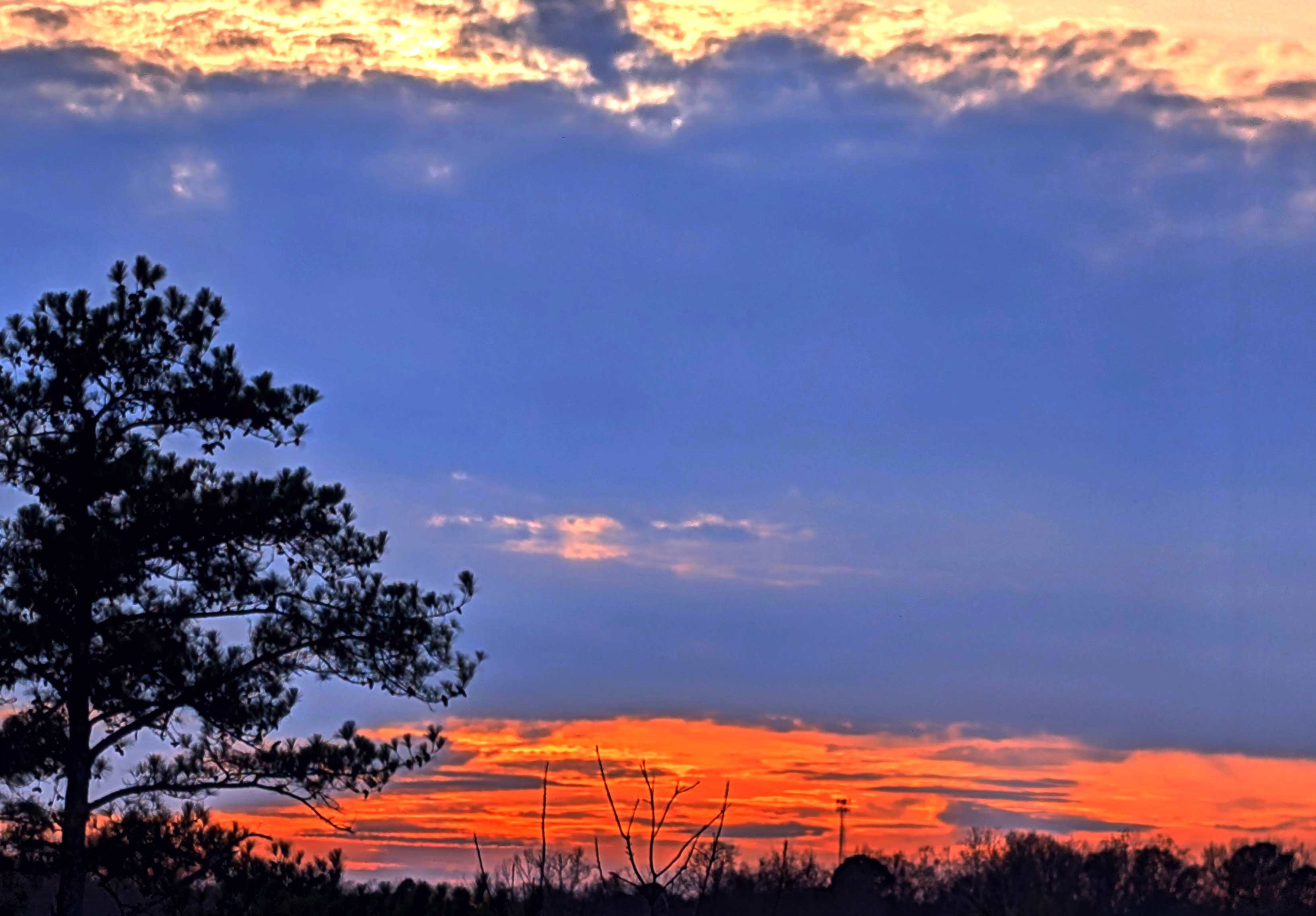
safety, hidden. Sun limned
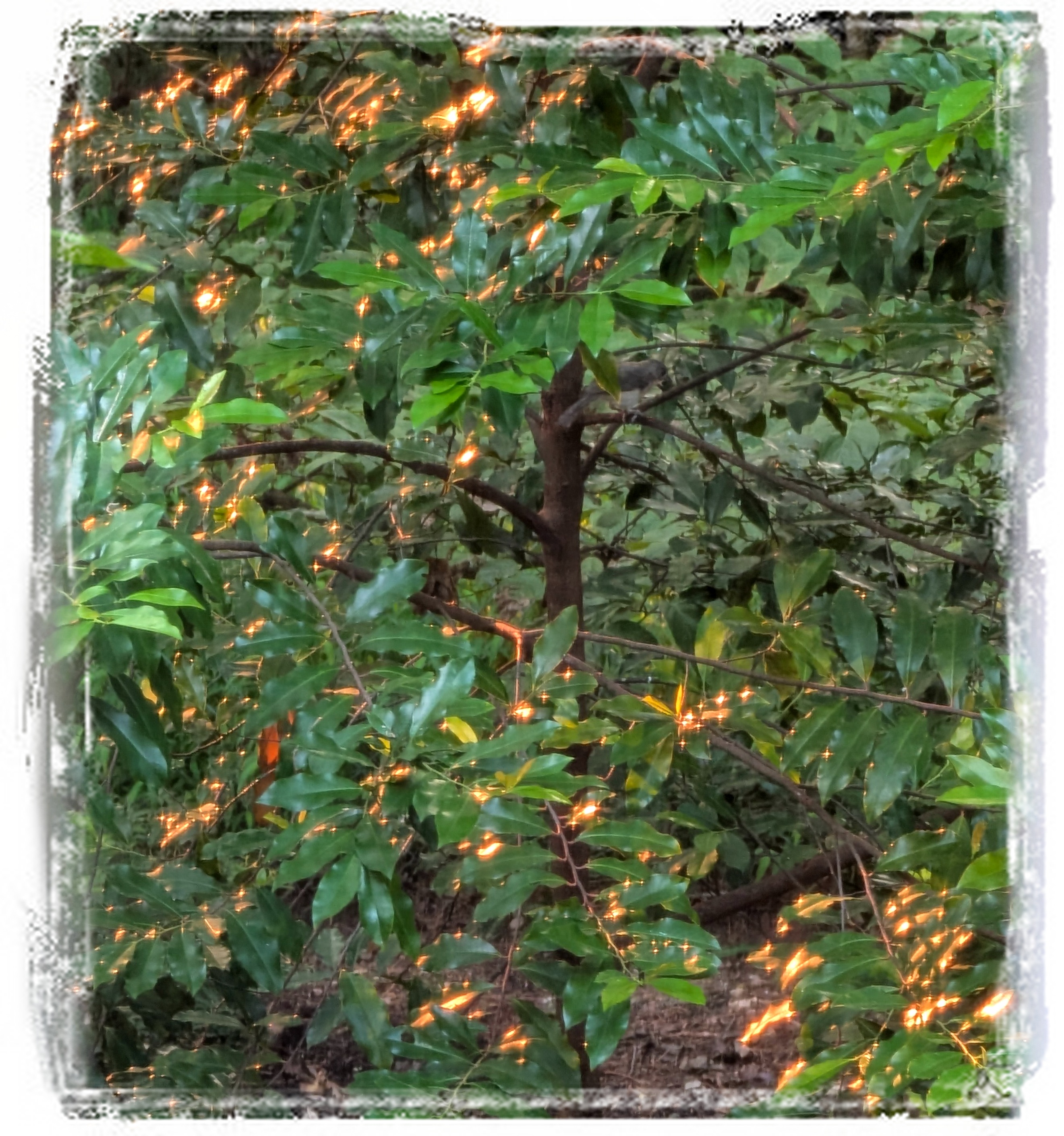
dawn's clouds, painted our laurel.
I wondered: could daytime meet
My morning's grand promises?
In an effort to write a 31st poem be the end of July 31st, I offer up this wacky little number. It suggests to me I’ll rewrite it one day, but I think it plays well enough to post. Let me know if you agree; let me down easy if you don’t!
Buckaroo Banzai in dimensions eight,
Cannonball Run, pray for roads that are straight.
Diamonds Are Forever, but memories fade.
Old age resembles a slip into shade.
Memories clamor over thoughts for today
They seem truly meaningful, but never play
With younger crowds climbing Memory's stair
Who'll discover old age when they're least aware.
Experience once built riches to hold,
But today their accrual equals fool's gold.
I live in this land of depth, of meaning,
Until I slip off into Life's last evening.
Joh Brunner’s The Shockwave Rider sought to show a near-future version of what constant change would look like, basing this premise on Alvin Toffler’s non-fictional book, Future Shock. In the process, however, I’ve believed more and more that he foresaw what our society has turned into 50 years since the book was published.
You wrote of youths walking tightropes over alligator pits, spectators screaming, "Fall! Fall!" all for "fun," for 'cash considerations.'
Do you recognize us now, John?
Show after 'reality' show trumpets screaming contestants. We live through damaged people baring their emotional problems all for prize money, that get-out-of-jail-free excuse for any type of boorishness. Inevitably it creeps into our society where it's okay to scream at someone if it's justifiable. John, we discover in your story that everyone breaks down, no one has privacy, that drugs keep us happy, docile, that society breaks into cults curated for profit, that criminals run what seemed to be our government.
We live secret lives hiding
behind masks of mutual
pleasantries as we walk
our dogs, stretch our legs,
work quietly in our yards.
But these yards keep secrets
poorly. They reveal us to our
world more clearly than
we could ourselves.

Eastward my neighbor's
carefully curated lawn,
shrubs, flowers give way to
substantial but well-contained
wildness, trees, vines, anything
which chooses to grow there.
"He bites off no more than
chewable, this one," says
his yard. "He values order,
beauty, ornamentation.
His dogs bark freely—why not?
They come when he calls, they
serve him. Who needs more?"
I cannot see his front yard:
perhaps something deeper?
I think not; well-maintained in
back means more so in front.

Southward lies bare minimum.
Years ago, ten or more, she
planted irises 'round her
mailbox. Nothing else blooms, front
or back, which can be seen from
street or another's yard.
In back lies one small patch
of grass, some flowering trees.
Hidden deeply in vine-shrouded
solitude lurks her tool shed,
never visited, never needed.
Twice each month she brings
in mowers to keep her lawn
in check. She limps to deck,
to her car. I surmise once
someone else lived with her
who took more interest.

Northward lies ambition,
community, family. Just
prior to pandemic's pause,
its yard under new management,
benches appeared around
one fire pit. Party lights
dangled between trees,
firewood racks popped up
along their back fence,
which received repairs
inside one year. Next they
tore off rotten wood, remade
their basement, attached
two decks amazing for their
sturdiness, their beauty.
"When Jesus comes back,
those decks will still be there,"
he told me. No lawn appeared
in back after previous residents
let chained dogs wear it down.
Instead, frisbee golf came. Camping
gear occupied some space.
Everything about it screams
"Family! Friends! Comfort!"

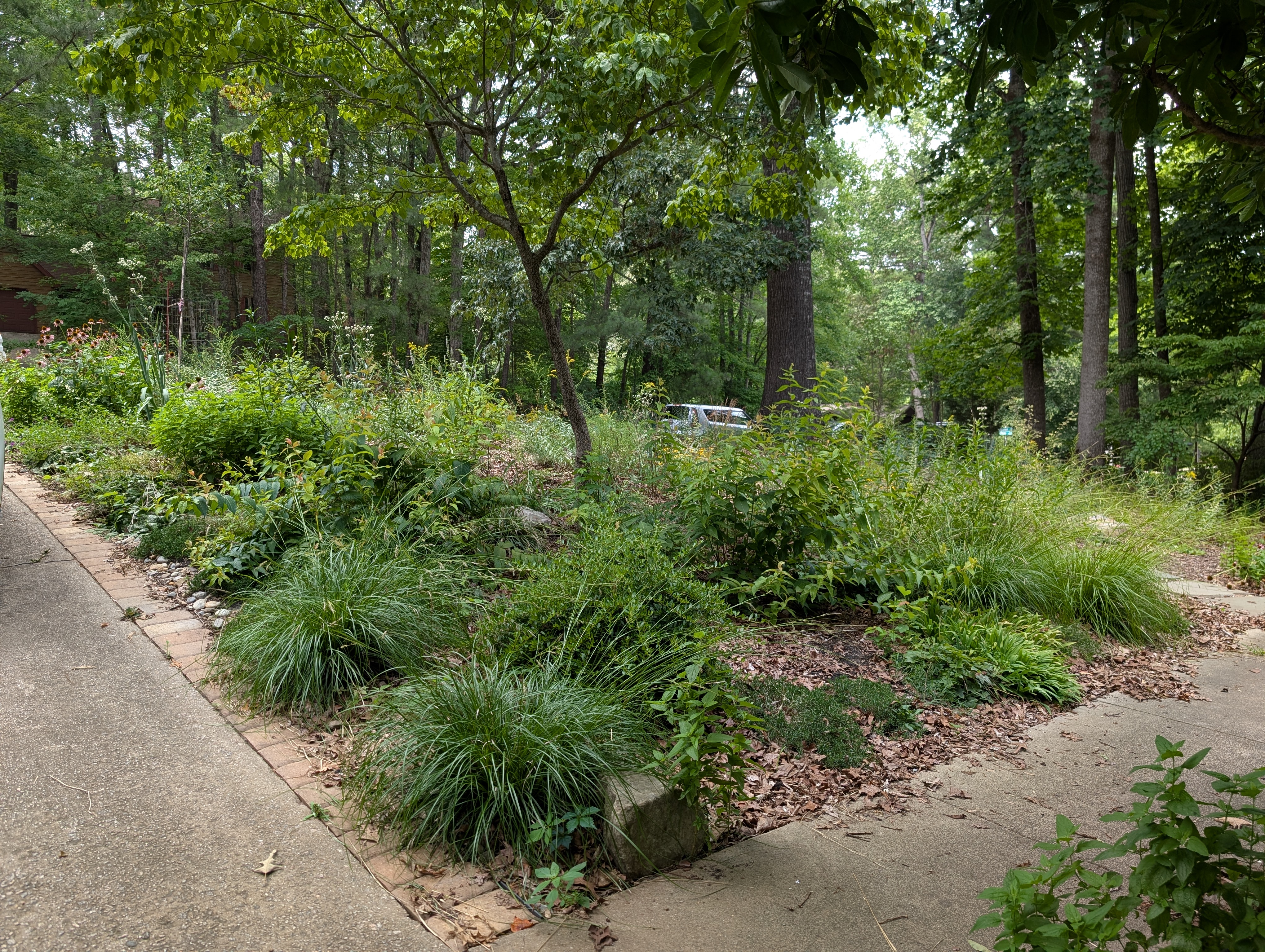
Here? Our yard underwent
metamorphosis as I allowed
'natural' grass to grow unchecked
until I realized its invasive
nature. Then, shaggy
unkemptness gave way
to nothing-but-garden.
Its haphazardly located plants
reveal how poorly my dreams
get realized. Our back yard,
torn asunder by summer's
torrents, reveals how ill-
conceived our landscaper's
plans, leaving nothing but
soil to wash away...while
revealing my trust in what
others promise me. Now,
unwanted green strangers
laugh at me: "Go ahead,
pull us up! We have more
numbers, more patience
than you. We will prevail."
And so they shall. My yard
says, "Good intentions,
poor follow-through. Perhaps
some sense of romance."
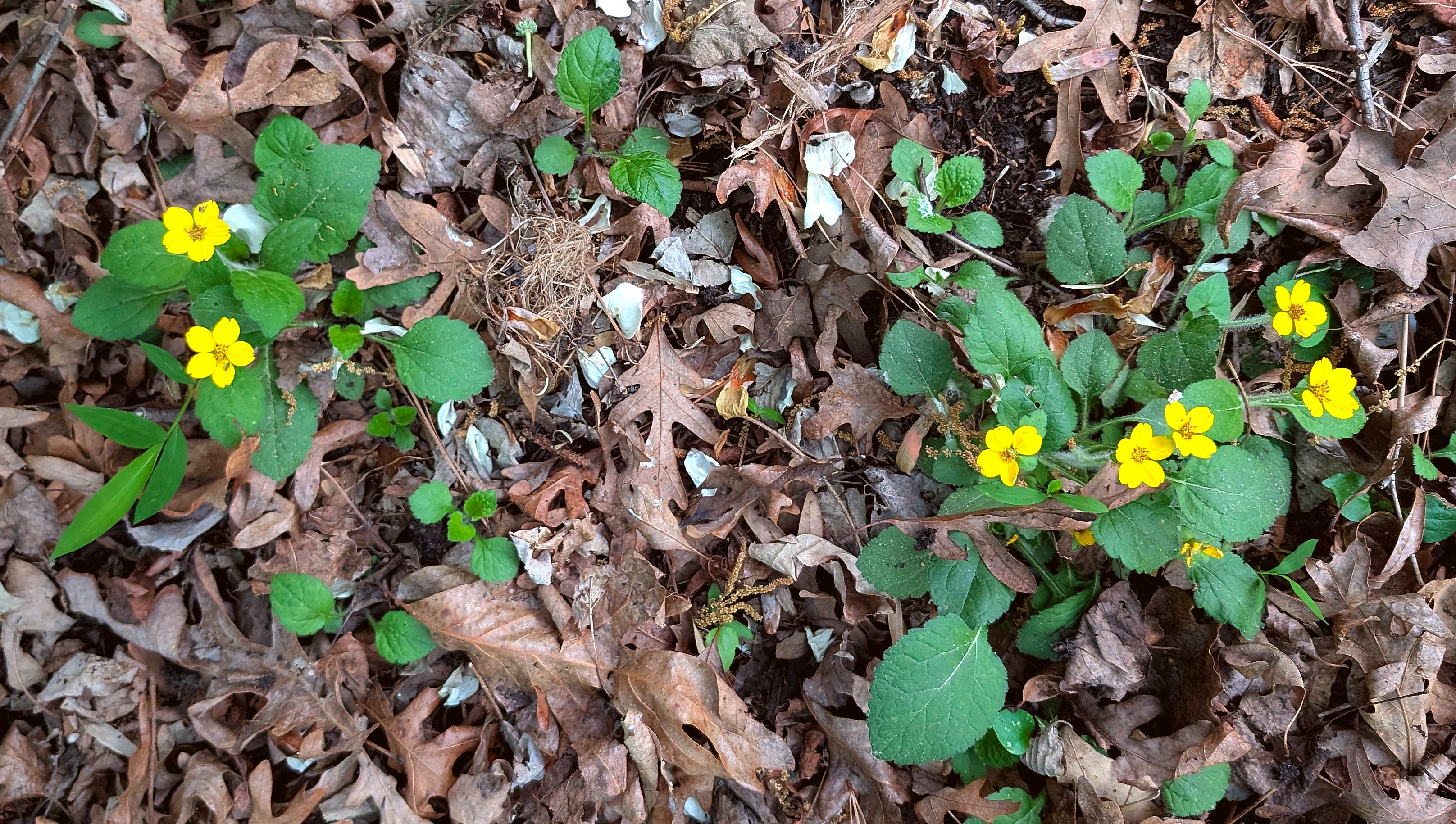
Green and gold (that’s its name) in our back yard. April 2026.
One poem closer to equaling July’s date. Can I make it? Not extremely pleased with some of these offerings, but they’re passable, and they’re certainly authentic: I don’t have time to dress them up!
July 2026
Morning, I'm full of
promises seldom kept.
Game show brilliance
gives way to cartoon
gibberish. Soulful
insight yields to
hard-hearted logic, then
to weepy emotions.
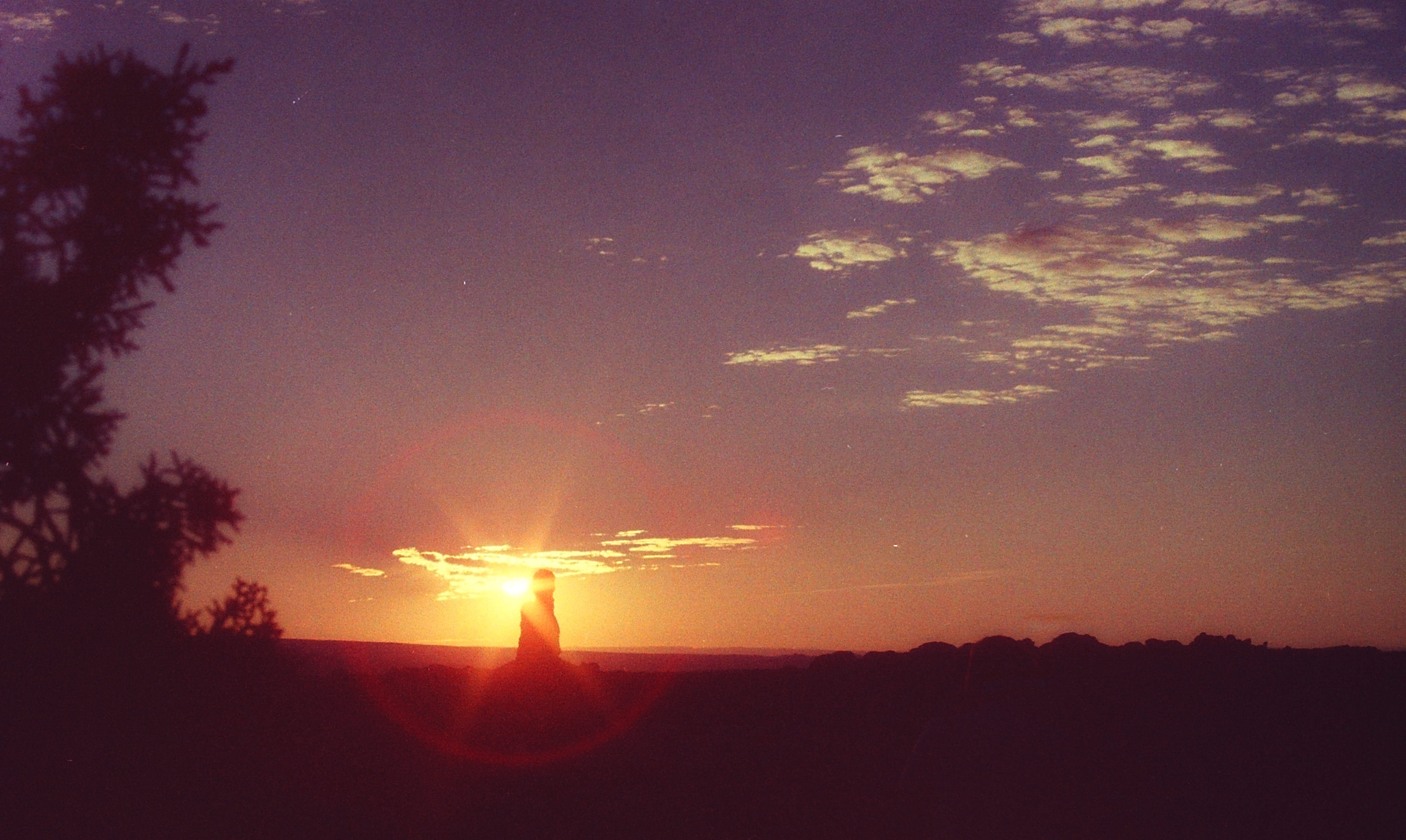
Gemstone in morn's
peeking sun. If flaws
perfect diamonds, I
must be priceless.
I follow few blogs (he said, cringing at the fact about 150 follow his). One that I follow, belatedly, catching up to its posts when I can, is from Ben East, until recently a member of our country’s foreign service. I’m not sure what though it might have been U. S. Aid. It’s not important. What is important is that he wrote a book about some super-notable people who started in the Peace Corps and went on to distinguished careers in foreign service.
Around the time Ben published his book, he wrote this post which really hits home to the writers among us. I urge you to read it if you consider yourself a writer, even if you’ve written little.
I’ll be shouting out a couple of other blogs in the near future. Ciao for now.
Every day I’m posting one poem for 100 days…or attempting to. August will tell the tale. So far I’ve navigated a couple of things which could have derailed me, including a broken arm last Tuesday evening. I’m reminded of the supposed Jerry Seinfeld mantra: “Don’t Break The Chain.” Seinfeld claimed it wasn’t his idea, but oddly, the show Seinfeld had an episode about it. The legend is that Seinfeld was at something (it’s been attributed to an open mike night/interview type of thing) and was asked what advice he would give to an aspiring comedian. His supposed answer was, “Every day write one joke. And don’t…break…the…chain!”
BAROMETER HEAD
Tunes atmosphere
Hears what no one
else can. Predicts
rain. Suffers through
hurricanes, his
head poundingly
painful. Displays
unnatural giddiness
during sunny
high pressure domes.
Can't leap tall buildings,
Can't stop bullets,
(but his sinuses
sometimes feel as
if they've done so).
His kryptonite?
Nasal sprays which
would destroy his
power, inure him
to those swirly
times when colors
speak, spoken words
seem tangible,
when he walks inside
his waking dreams.
A funny thing happened when I started writing my poem for today. Halfway through a different poem said, “No, write me instead!”
A true tale….
I once read a book
where every distinct idea
received its own line,
prose as poem,
purposefully presenting them
in bite-sized pieces.

I remember it because
at sixteen years
I learned about infinity
this way, how
one infinity can be bigger than another.
Before this, I had thought
"Infinity is just Infinity,"
never dreaming
"it" should be "they,"
never considering
they could be quantified
(kind of).

"Think of all the numbers on a number line,
how they go on to Infinity.
Call it Set A.
What if we add one to Set A?
Call it Set B.
Set B must be bigger!"

"Think how a number line goes from Zero to One.
If you go halfway from One to Zero,
then halfway again,
and so on:
obviously you'll never get to Zero.
It's an Infinity, but...
since it's contained between Zero and One,
just as obviously it's smaller
than the infinities we discussed with Sets A and B."

My mind was blown. No
wonder I took psychotropics.
What else could I do to
fill the spaces it had made?