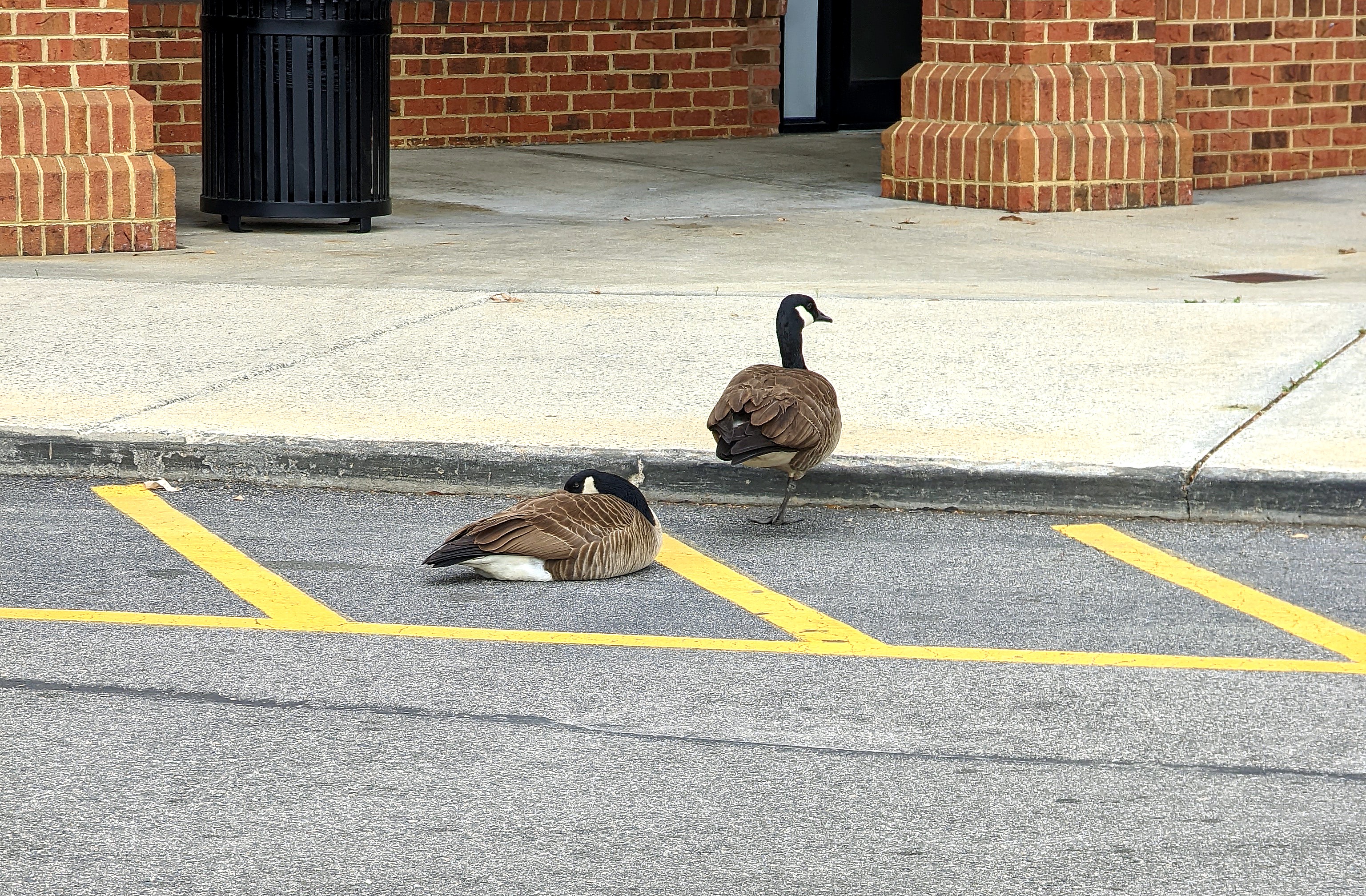

This was to be the new banner on my new theme, but …it was in black-and-white, negating the impact.

Decided to try to get a bit more sophistication to this site. Chose a new theme. I told myself to pay attention to the current theme, like “what is its name?” but I got carried away and didn’t. The one I chose was horribly unsuited to what I do: all photos were B&W! Plus, …well why carry on. I found a theme almost the same as the one I used before. Sigh. I would rather spend the time on the content.
Once upon a time–
Time? It’s in two-two, just
beat as you breathe–
But it happened,
like this, like–
I only meant you live time differently,–
No, we’re timing
differently, but–
Where everything happens
simultaneously does
it happen? At all?–
Your beatings annoy–
My bleatings annoy-–
So it goes…once…
It’s October 29, 2022, and I’m weary of reading comments from fans that the Phillies don’t belong in the World Series (or perhaps even the postseason) because they won “only” 87 games to Houston’s 106. I’m getting numb to one sportswriter after another say “it isn’t about the best team, it’s about the team that gets hot.” And I could be channeling a bit of guilt because I’ve been on the other end of those comments. I’ve gnashed my teeth when a team with a record that’s barely above “losing” was in the postseason. I’ve hurled insults at the teams which in essence bought their way into the Series and the Championship (looking at you, Wayne Huizenga). But I think there’s a difference this year, and I think I’ve come to understand the game more.
Ironically in 1997 this same Houston team got into the postseason with a record (84-78) that was only four decisions away from being a losing season and worse than this year’s Phillies! Houston managed to win its division that year, the National League Central. Based on season records, the second-best team in the NL, the Florida Marlins, got in only because of that relatively new concept, the Wild Card, because the Braves placed first in the NL East. Houston lost in its very first round. Even though the Atlanta Braves won nine more games during the season, the Marlins beat them in the NL Championship Series and then beat the Cleveland Indians in the World Series. The Indians (now Guardians) finished the regular season 86-75, only two wins (but three losses) better than the Astros…and the Indians were in the World Series. Wait, what? We’ve got people complaining about the Phillies’ record of 87-75? Where were they in 1997? Maybe they weren’t born yet?
I would like to let these baseball fans off the hook–after all, it takes a bit of time to look up records from 25 years ago, and it takes age to remember them, and I have both. However, you’re just being lazy when you ignore what happened in this season! Consider:
The only thing left is to comment on the first game of the World Series where the Phillies shocked the Astros fanbase by somehow winning the first game. One should note that in the very first meeting of these two teams, the Phillies backed Aaron Nola with a 3-2 win, clinching the Phillies’ trip to the postseason. The two losses after that? Did you see the champagne-soaked party in the visitor’s locker room? Not to mention the “who cares?” aspect of those final two games? Note that the Phillies beat the Astros on Oct 3rd and when they met on Oct 28…the Astros lost again.
In just a few games, even a seven-game series, luck and weirdness play a bigger part than in the regular season. Here is where we have to give some serious consideration to the folks who object to the Phillies being here at all. The argument is that teams with a “better” W-L record deserve to be beneficiaries of that luck aspect. Well, how would the Milwaukee Brewers have fared? They only finished one win behind the Phillies. They also beat the Cards head to head, 9-8. They lost to San Diego 3-4. They split with the Braves, 3-3 (I thought these things were always odd numbers?). Given that they traded their closer to San Diego, couldn’t muster much offense, and added little at the trade deadline, I doubt they would’ve gotten past the Padres assuming they could have bested the Cards.
These same persons who don’t seem to understand baseball in either its long season or its postseason, would argue that somehow teams such as the Phillies just not be let into the postseason at all. The argument is vaguely similar to when I graded papers as a teacher and there was a clear break between the A and B students for a particular assignment. The problem is, it’s not just one assignment. It’s a 162-game season. Those who manage to show they’re capable of participating in the postseason have by definition earned their place. Would any team with a record worst than the Phillies have fared as well? Extremely doubtful. Therefore the argument against the Phillies is that given their record, they just shouldn’t have been granted a seat at the table. Were the Padres more worthy? They managed, over 162 games, to have won just two more games. Wow–a .549 winning percentage against the Phillies’ .537 percentage. Or would these same complainers be also upset at the Padres? Where is the line between “okay, they’re worthy” and “who the F are these guys”? As a teacher, I would draw a line between the Dodgers, Mets, and Braves, all of whom won more than 100 games, and the Padres, Cards, and Phillies who won 89, 93, and 87 games, respectively. But MLB has, rightly in my opinion, decided that teams who ‘right the ship’ two to three months through the season and have fought well head-to-head against the top three teams, all have a right to be vying for the title. Look again at the 100+ winners. These erstwhile Fanboys who think that record is everything, what do they have to say that the Mets would have been out of the postseason if not for the Wild Card format? You can’t complain about a format which lets the Mets in, but also lets the Phillies in.
There isn’t a formula for fairness. Baseball recognizes that no team’s performance over the regular season guarantees its success in the postseason. If it did, we wouldn’t have the postseason at all, except for the top NL team meeting the top AL team. (And even that is going to become less meaningful next year when schedules become more balanced.) The regular season exists to establish which teams have ‘grinders’ who will, day in and day out, make sure their team wins more than they lose. It’s up to the managers to make sure these grinders are playing. It’s up to upper management to make sure there are enough grinders on the team. These teams earn their ticket to the postseason. But the postseason is different.
Billy Beane famously said that the postseason is a crap-shoot. Lately though, pundits have wondered why a head honcho (president? general manager?) can’t craft a plan for the postseason. The two purposes, winning in the regular season and winning in the postseason, are at odds. I would argue that Dombrowski has started to manage that conundrum. He correctly realized the addition of the DH to the NL meant that offense meant more than defense (especially in the Phillies home ballpark). Did he realize that the defense would gel a bit? I don’t think so. He didn’t care; he just lucked out. He trusted his own ability to make moves mid-season. He added incrementally and skillfully, the way that Pat Gillick did when the Phillies went to the postseason in 2008 and won the World Series: he grabbed Edmundo Sosa from the Cardinals for a pitcher who pitched only 14.1 innings and wasn’t any good by any metric. Meanwhile, Sosa played in 25 games (out of the approximately 50+ games left in the season) and batted .315, with a nearly perfect record by defensive metrics. Dombrowski snagged a defensive gem of a player but struggling at the plate, Brandon Marsh, from the LA Angels and gave up a catcher who will likely play a solid career as a backup and occasional starting catcher (Logan O’Hoppe). He tapped the Angels again for Noah Syndergaard sending failed project Mickey Moniak and a pitcher who’s never pitched above low-A baseball. Seriously? Who makes trades like this? And to ice the cake, Dombrowski got David Robertson from the Cubs, parting with a promising, but again only-in-high-A ball pitcher.
Additionally, Dombrowski made a few additions by subtraction. He parted ways with Didi Gregorius, a .210 hitter on the season with a fairly crappy defensive record. Would Girardi have continue to play him, had he been around after June 3rd. Hell yeah! They both hailed from the all-wonderful Yankees! Never mind that Gregorius became available to the Phillies because the Yankees correctly recognized his best days were past. Dombrowski also said a not-so-fond farewell to Odubel Herrera, the maddeningly promising but never quite fulfilling the promise outfielder who had laid at least partial claim to the centerfielder’s position. And the final addition-by-subtraction? Designating Jeurys Familia for assignment. Three days later he latched on to the Red Sox. Over those two months he pitched only 10.1 innings and compiled a 6.10 ERA. Enough said about that.
And Dombrowski recognized that having adequate pitching, adequate fielding, and batters who could turn a game with a swing of the bat would be more valuable in the postseason. Multiple pundits have put forth that the team which has good pitching and hits home runs will win in the postseason. Maybe Dombrowski is onto something? Construct your team to score multiple runs when it can, and hope they do so in the postseason?
Philadelphia belongs in the postseason. The haphazard and perplexing schedule of 2022 made many a team a victim. The Phillies ‘hangover’ from its last General Manager left Dave Dombrowski with a mess prior to 2021. That he managed to correct it enough by June 3rd of this year and by August 2nd adjusted enough to get a team into the postseason is a testament to expert roster construction and an intimate knowledge of what the postseason is all about.
And it’s not all about who wins how many, contrary to the shallow fans who think the Phillies shouldn’t be here. The 19-game margin between the Astros and the Phillies represents less than 10 games which could have been won but were lost. In other words, 5.9% of the season. These fans would be well advised to consider the only other time that such a large margin occurred in the World Series: in the fourth year of the World Series, 1906, the Chicago White Sox finished the season with 93 wins (respectable) versus the Chicago Cubs’ record of 116 wins: a discrepancy of 23 wins (i.e., more than this year, folks). The White Sox won the championship, four games to two. Think about that, Houston, and all of you who think the Phillies don’t deserve to be in the postseason.